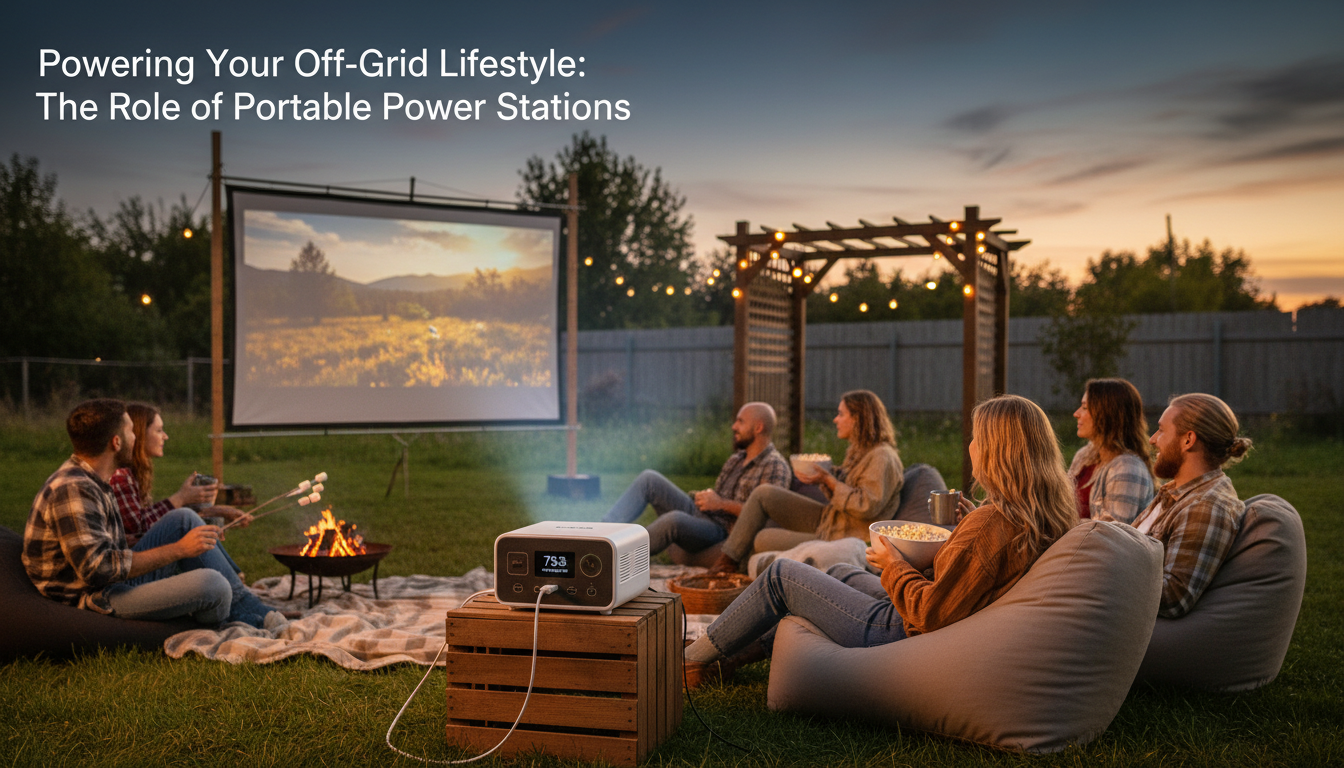
Powering Your Off-Grid Lifestyle: The Role of Portable Power Stations
Embracing Independence: The Need for Off-Grid Power
The appeal of off-grid living lies in its promise of self-sufficiency and freedom from conventional utility reliance. This lifestyle, whether in a remote cabin, an RV, or a van, demands robust and independent power solutions for everyday necessities. From powering crucial communication devices and refrigeration to lighting and essential tools, maintaining a consistent energy supply is fundamental to sustained off-grid operation.
As more individuals pursue resilient and sustainable living, the necessity for dependable, self-contained power sources has become paramount. Traditional generators, while powerful, often come with noise, emissions, and fuel dependency that can detract from the off-grid ideal. This is where portable power stations offer a modern, versatile answer. They provide a clean, quiet, and flexible energy hub, capable of being recharged through various methods, including renewable sources like solar panels, making them an indispensable component for any independent power setup.
The Off-Grid Power Challenge: Why Portable Power Stations Stand Out
Off-grid living inherently means operating without a conventional electrical utility connection, presenting a fundamental challenge in securing reliable power. While traditional gas generators have long served as a common solution for remote power needs, their inherent limitations often conflict with the principles of sustainable, quiet, and independent living. Portable power stations (PPS) emerge as a distinct alternative, specifically addressing the unique demands of an off-grid lifestyle.
Unlike gas generators, which rely on a continuous supply of fossil fuels, portable power stations operate on stored electrical energy. This fundamental difference eliminates the need for fuel storage and transport, a significant logistical advantage in remote locations. Gas generators are also known for their considerable noise output and exhaust fumes, which can disrupt the tranquility of an off-grid environment and pose safety risks due to carbon monoxide emissions, particularly if used improperly or near living spaces. In contrast, portable power stations function virtually silently and produce no emissions, making them safe for indoor use and preserving the natural soundscape.
The advantages of portable power stations for off-grid scenarios extend beyond their clean and quiet operation:
- Renewable Recharging: Many PPS units are designed for seamless integration with solar panels, allowing for sustainable, renewable energy generation directly from sunlight. This capability reduces reliance on external fuel sources and supports long-term energy independence.
- Portability and Versatility: Their compact and often lightweight design makes them easy to transport and position, adapting to various off-grid setups from RVs and vans to cabins and temporary shelters.
- Reduced Maintenance: With fewer moving parts than internal combustion engines, PPS units typically require minimal maintenance, contributing to their reliability in isolated settings.
- Continuous Power: Certain models offer Uninterruptible Power Supply (UPS) functionality. This feature allows critical devices to remain powered without interruption during a power transition, such as from shore power to battery, or in the event of an unexpected grid failure if connected to a micro-grid.
By offering a clean, quiet, and adaptable energy source, portable power stations directly address the core problem of unreliable or non-existent grid access. They provide a self-contained, robust solution that aligns with the self-sufficient ethos of off-grid living, ensuring essential devices and systems remain operational without the drawbacks of traditional power generation methods.
Essential Criteria for Off-Grid Portable Power Stations
Selecting a portable power station for an off-grid lifestyle requires careful consideration of specifications beyond typical emergency backup needs. The continuous, often demanding nature of off-grid living necessitates a unit that is robust, versatile, and capable of sustained performance. Understanding the core technical attributes and features is crucial for making an informed decision that supports long-term independence.
Capacity (Wh) and Output (W): Matching Power to Demand
The fundamental metrics for any portable power station are its energy storage capacity and its power delivery capability. These must align directly with your off-grid energy consumption.
- Watt-hours (Wh): This figure represents the total amount of energy the battery can store. For off-grid living, where grid access is absent, a higher Wh capacity translates directly to longer runtimes for your devices or the ability to power more appliances. To determine your required Wh, calculate the cumulative daily energy consumption of all devices you intend to power (e.g., a 50W mini-fridge running for 12 hours consumes 600Wh).
- Watts (W): This indicates the maximum instantaneous power the unit can deliver. It's crucial to match this with the peak wattage requirements of your most demanding appliances. For instance, a coffee maker might draw 1000W, while a laptop charger might only draw 60W. Ensure the power station's output rating (often peak and continuous) can handle all devices you plan to run simultaneously.
Charging Versatility: Harnessing Solar, AC, and Car Power
In an off-grid context, diverse and efficient charging options are paramount for maintaining power independence.
- Solar Charging: This is often the primary and most sustainable charging method for off-grid setups. Look for high maximum solar input wattage and efficient MPPT (Maximum Power Point Tracking) controllers to maximize energy harvest from solar panels, even in fluctuating conditions.
- AC Charging: While primarily off-grid, the ability to rapidly recharge via a standard wall outlet can be vital when temporarily connected to a grid source or a generator. Fast AC charging minimizes downtime.
- Car Charging: For RVers, van lifers, or those frequently on the move, charging from a vehicle's 12V DC outlet is a critical backup or supplemental charging method.
Battery Chemistry: Longevity, Safety, and Performance
The type of battery chemistry directly impacts a power station's lifespan, safety profile, and performance characteristics, especially under repeated deep discharge cycles typical of off-grid use.
- LiFePO4 (LFP): Lithium Iron Phosphate batteries are highly recommended for off-grid applications due to their exceptional cycle life (often 2,500-3,500+ cycles to 80% capacity), superior thermal stability (reducing fire risk), and consistent performance across a wide temperature range. Their longevity makes them a more cost-effective and reliable choice for sustained off-grid operation.
- NMC (Nickel Manganese Cobalt): While offering higher energy density (more power in a smaller package), NMC batteries generally have a shorter cycle life and can be more susceptible to thermal runaway if not properly managed. For long-term, daily off-grid reliance, LFP often presents a more robust solution.
Durability and Environmental Resistance
Off-grid environments can be unforgiving, exposing equipment to dust, moisture, and temperature extremes.
- Rugged Construction: Look for units built with durable outer casings, reinforced handles, and robust internal components designed to withstand bumps and vibrations during transport or outdoor use.
- Environmental Protection: Consider ingress protection (IP) ratings, which indicate resistance to dust and water. While few are fully submersible, an IP rating of IP54 or higher suggests reasonable protection against splashing water and dust, crucial for outdoor or vehicle-based setups.
- Operating Temperature Range: Ensure the power station is rated to operate and charge effectively within the temperature fluctuations of your specific off-grid location.
Inverter Type and Port Options: Connecting Your Devices
The internal inverter and available output ports dictate what devices you can power and how efficiently.
- Pure Sine Wave Inverter: This is a non-negotiable feature for off-grid living. Pure sine wave output mimics household electricity, providing clean, stable power essential for sensitive electronics like laptops, medical equipment, and appliances with motors (e.g., refrigerators). Modified sine wave inverters can damage or reduce the lifespan of such devices.
- Diverse Port Selection: A comprehensive array of output ports ensures compatibility with all your essential devices. This includes multiple AC outlets, various USB ports (USB-A, USB-C with Power Delivery for fast charging), and 12V DC outlets (cigarette lighter socket, DC5521) for RV appliances or specific off-grid gear.
Expandability and Ecosystem Integration
As off-grid power needs evolve, the ability to scale your power solution can be a significant advantage.
- Expandable Capacity: Some portable power stations offer the option to connect external battery packs, significantly increasing the total Wh capacity. This allows you to start with a smaller unit and expand as your power demands grow or as you integrate more energy-intensive appliances.
- System Integration: Look for features that allow for seamless integration into a broader off-grid energy system, such as pass-through charging (powering devices while the station itself is charging) or the ability to function as a UPS (Uninterruptible Power Supply) for critical loads.
Tailoring Your Power Station to Your Off-Grid Lifestyle
Selecting a portable power station for off-grid living requires a precise alignment between your specific needs and the unit's capabilities. The ideal power solution varies significantly based on the scale of your independence, from basic device charging to running essential home appliances. Understanding these distinctions helps in shortlisting options that genuinely fit your remote lifestyle.
Minimalist Setup: Charging Devices and Essential Lighting
For those embracing a highly mobile or temporary off-grid existence, such as weekend campers, short-term van lifers, or individuals with a basic remote cabin setup, the power requirements are often modest. The primary goal is to keep personal electronics charged and provide fundamental lighting.
- Typical Needs: Charging smartphones, tablets, headlamps, small portable speakers, cameras, and running low-wattage LED lights.
- Capacity Considerations: Portable power stations in the 200-500Wh range are often sufficient. This capacity can typically recharge a smartphone multiple times or power a small LED light for an extended period.
- Key Features: Look for units that prioritize portability and compact design. Multiple USB-A and USB-C ports are crucial for device charging. A single AC outlet might be useful for a laptop or small fan.
- Trade-offs: While highly portable and often more budget-friendly, these units have limited output for larger appliances and offer shorter runtimes. They are not designed to power anything beyond essential personal electronics and very low-draw items.
Comfortable Living: Running Appliances and Tools
If your off-grid lifestyle involves more extended stays, full-time RVing, or a small homestead with a desire for home-like conveniences, your power station needs will expand significantly. This category caters to running a wider array of appliances and occasional power tools.
- Typical Needs: Powering mini-fridges, blenders, CPAP machines, laptops, small entertainment systems, and light-duty power tools like drills or saws for short bursts.
- Capacity Considerations: Power stations with capacities of 1000Wh or more are generally necessary. This allows for longer operation of moderate-draw appliances and provides a more robust energy buffer.
- Key Features: Prioritize units with multiple AC outlets and a higher continuous wattage output to handle appliances. Look for models with surge capacity to accommodate the initial power draw of motors. Expandable battery options can be beneficial for future growth.
- Trade-offs: These higher-capacity units are typically larger and heavier, impacting portability. They also represent a more substantial initial investment. Ensuring adequate recharging methods, especially solar, becomes more critical to sustain their larger energy demands.
Emergency Backup for Remote Properties
For off-grid homes, remote cabins, or homesteads where a primary power system (like solar arrays or generators) is in place, a portable power station can serve as a critical emergency backup. The focus here shifts from daily primary power to ensuring reliability and continuity during unforeseen outages or system failures.
- Typical Needs: Maintaining essential services such as communication systems, medical devices, critical lighting, water pumps, and refrigeration during an outage of the main power source.
- Capacity Considerations: Capacity requirements vary widely based on the critical loads, but generally, 1000Wh+ is a starting point, with larger systems preferred for extended backup. The goal is to power crucial items long enough to resolve the primary power issue.
- Key Features:
- Reliability: Durability and a proven track record are paramount. Research indicates that established brands often offer more dependable performance.
- UPS Functionality: An Uninterruptible Power Supply (UPS) feature allows for seamless power transfer (e.g., within milliseconds) when the primary power source fails, preventing sensitive electronics from shutting down.
- Diverse Charging Inputs: Multiple charging options, especially robust solar input capabilities, are vital to ensure the unit can be recharged even when the grid or primary power is down.
- Battery Chemistry: Consider power stations with long-cycle-life battery chemistries, such as LiFePO4, for sustained performance over many years of use.
- Trade-offs: Units designed for emergency backup often come with a higher price point due to advanced features and robust construction. Their size and weight might be less of a concern as they are typically deployed in a fixed location. The primary risk is underestimating the true power needs for critical systems, leading to insufficient backup time.
Navigating the Realities: Trade-offs and Limitations of Portable Power Stations
While portable power stations offer significant advantages for off-grid living, understanding their inherent limitations and trade-offs is crucial for realistic planning and successful integration into an independent lifestyle. These devices are powerful tools, but they operate within specific boundaries that off-grid dwellers must acknowledge.
Balancing Power Demand with Station Capacity
Even the most robust portable power stations possess a finite energy reservoir. Off-grid users must meticulously calculate their daily power consumption, accounting for all essential devices from refrigeration to communication equipment. High-wattage appliances, such as induction cooktops or certain power tools, can deplete a station's capacity rapidly, often within hours. This necessitates careful energy management, prioritizing critical loads, and understanding that continuous, high-demand usage will quickly exhaust even large units, requiring a disciplined approach to power consumption.
Recharge Time and Source Availability Realities
Replenishing a portable power station's energy can be a significant challenge in remote settings. While solar charging is a popular and sustainable option for off-grid use, its efficiency is highly dependent on environmental factors. Cloud cover, panel orientation, geographical location, and time of day directly impact solar input, making recharge times unpredictable and often lengthy. A large capacity unit might require multiple full days of optimal sunlight to recharge completely, and alternative charging methods like vehicle power or a generator may not always be feasible or desirable.
Size, Weight, and Portability Challenges
The capacity of a portable power station directly correlates with its physical footprint and mass. Units designed to support extensive off-grid power needs, often boasting capacities in the thousands of watt-hours, can be surprisingly large and heavy. For mobile off-grid applications such as van life or RVing, or situations requiring frequent relocation of the power source, this increased size and weight can present significant logistical challenges, impacting vehicle payload, storage space, and ease of handling.
Investment vs. Long-Term Value
The initial financial outlay for a high-quality, durable portable power station suitable for sustained off-grid use can be substantial. This upfront cost represents a significant investment. However, considering the long-term benefits of clean, quiet power, reduced reliance on fossil fuels, and the independence it provides, many find the value proposition compelling. It's important to also factor in the battery's cycle life, as all batteries have a finite number of charge and discharge cycles before their capacity begins to degrade, influencing the overall longevity and value of the investment.
Environmental Performance: Temperature Extremes
Portable power stations, particularly their internal battery chemistry, are sensitive to extreme temperatures. In very cold environments, battery performance can be significantly reduced, leading to a noticeable drop in usable capacity and slower charging rates. Conversely, prolonged exposure to high temperatures can accelerate battery degradation, shorten its overall lifespan, and in extreme cases, pose safety risks. Off-grid living often exposes equipment to wider temperature fluctuations than typical indoor use, necessitating consideration for insulation or protected storage to maintain optimal performance and longevity.
Integrating Your Portable Power Station into an Off-Grid System
A portable power station (PPS) can function as a standalone unit, but its true potential in an off-grid setup is realized when it's integrated into a broader, sustainable energy ecosystem. This involves careful planning around charging, consumption, and ongoing care to ensure a reliable power supply for independent living.
Solar Panel Integration and Sizing
For off-grid reliability, solar panels are often the primary charging method for a portable power station. Effective integration begins with ensuring compatibility and appropriate sizing.
- Choosing Compatible Solar Panels: Confirm that the solar panels' voltage and wattage output align with your portable power station's input specifications. Most portable power stations specify a maximum input voltage and wattage. Exceeding these limits can damage the unit. Additionally, verify the connector type (e.g., MC4, Anderson, DC7909) and acquire any necessary adapters to ensure a secure connection.
- Matching Panel Output to PPS Input: The total wattage of your solar panels should ideally be sufficient to recharge your PPS within a reasonable timeframe, typically within a day of good sunlight, while also covering your daily energy consumption. A higher wattage solar array will charge the PPS faster, which is beneficial during shorter daylight hours or periods of lower sun intensity.
- Optimizing Panel Placement and Angle: For stationary off-grid setups, panels should be oriented to maximize sun exposure throughout the day, usually facing south in the Northern Hemisphere. Adjusting the tilt angle seasonally can further enhance efficiency. For mobile applications like RVs or vans, portable, foldable panels allow for flexible positioning to chase the sun and avoid shade. Even partial shading on a single panel can significantly reduce the output of the entire array.
Energy Management and Conservation Tips
Sustainable off-grid living with a portable power station relies heavily on efficient energy management and conservation. Every watt-hour saved contributes to longer power availability.
- Prioritizing Essential Devices: Create a hierarchy of your power needs. Identify critical devices (e.g., medical equipment, refrigeration, communication tools) that must always be powered, and distinguish them from non-essential items. This allows for strategic power allocation during periods of limited solar input or low battery.
- Using Energy-Efficient Appliances: Opt for appliances and devices designed for low power consumption. LED lighting, DC-powered refrigerators, and laptops or tablets are generally more efficient than their AC counterparts. Minimize the use of high-wattage appliances like hair dryers, electric kettles, or space heaters, as these can quickly deplete a portable power station's capacity.
- Implementing a Power Budget: Calculate your average daily energy consumption in watt-hours (Wh) for all essential devices. Compare this to your portable power station's capacity and your expected daily solar input. This budget helps you understand your power limits and adjust usage habits to prevent unexpected power outages. For example, if your PPS has a 1000Wh capacity and you consume 300Wh daily, you have roughly three days of power without recharge.
System Monitoring and Maintenance
Regular monitoring and maintenance are crucial for the longevity and reliable performance of your portable power station and its integrated solar charging system.
- Regularly Checking Battery State of Charge: Monitor your portable power station's display for its current state of charge (SOC). Aim to keep the battery within a healthy operating range, avoiding frequent deep discharges below 20% or prolonged storage at 0% charge, which can degrade battery health over time. Understanding your daily usage patterns helps anticipate when recharging is necessary.
- Cleaning Solar Panels: Dust, dirt, pollen, leaves, and snow can accumulate on solar panels, significantly reducing their efficiency. Periodically clean the panel surfaces with water and a soft cloth to ensure maximum sunlight absorption. The frequency of cleaning depends on your environment.
- Inspecting Connections: Routinely check all electrical connections—from the solar panels to the charge controller (if applicable) and into the portable power station. Look for any signs of wear, corrosion, fraying cables, or loose connections. Secure and clean connections ensure efficient power transfer and prevent potential hazards.
Frequently Asked Questions About Off-Grid Portable Power Stations
Navigating the world of off-grid power can bring up many questions, especially when considering portable power stations as a primary energy source. Understanding their capabilities and limitations is key to making an informed decision for your independent lifestyle.
Are portable power stations better than gas generators for off-grid living?
For many off-grid scenarios, portable power stations offer distinct advantages over traditional gas generators, aligning more closely with a sustainable and quiet lifestyle.
- Noise and Emissions: Portable power stations operate silently and produce no exhaust fumes, unlike gas generators which are often loud and emit carbon monoxide, making them unsuitable for indoor use or quiet environments. This is a significant factor for maintaining the tranquility of an off-grid location and ensuring safety.
- Fuel Dependency: Gas generators require a continuous supply of fossil fuel, necessitating storage and transport to remote locations. Portable power stations store electrical energy and can be recharged via solar panels, vehicle alternators, or occasional grid access, reducing reliance on external fuel sources.
- Maintenance: Portable power stations generally require less routine maintenance compared to gas generators, which need oil changes, spark plug replacements, and fuel system upkeep.
- Environmental Impact: With the ability to integrate with renewable charging sources like solar, portable power stations offer a cleaner, more environmentally friendly power solution.
While gas generators can provide higher continuous power output for very demanding loads, portable power stations excel in situations prioritizing quiet operation, clean energy, and reduced logistical overhead.
How do I determine the right capacity (Wh) for my off-grid needs?
Selecting the appropriate capacity (measured in Watt-hours, Wh) for your off-grid portable power station involves a practical assessment of your daily energy consumption.
- List Devices: Identify every electrical device you intend to power, from lights and phones to refrigeration and laptops.
- Find Wattage and Runtime: For each device, note its power consumption in Watts (W) and estimate how many hours per day it will be used. This information is usually found on the device's label or in its manual.
- Calculate Daily Wh per Device: Multiply the device's wattage by its estimated daily runtime (e.g., a 60W light used for 4 hours needs 240 Wh).
- Sum Total Daily Wh: Add up the Wh requirements for all your devices to get your estimated total daily energy need.
- Add a Buffer: Incorporate a safety margin, typically 20-30%, to account for efficiency losses, unexpected usage, or cloudy days if relying on solar charging.
- Consider Peak Power: Ensure the power station's inverter can handle the maximum starting wattage (surge power) of any device, especially those with motors like refrigerators or pumps, which often draw significantly more power at startup than during continuous operation.
This calculation provides a baseline for the minimum capacity you should consider, ensuring you have sufficient power for your essential off-grid operations.
Can a portable power station power an entire off-grid home?
While powerful, portable power stations are generally designed to be supplemental power sources rather than the sole provider for an entire off-grid home.
- Limited Capacity: Even the largest portable power stations have finite energy storage (Wh) and continuous output capabilities (W) that may not meet the constant, high-demand needs of a full household. Appliances like electric water heaters, central air conditioning, or large electric ovens typically draw too much power or require too much energy for a portable unit to sustain.
- Best for Essentials: They are highly effective for powering essential devices, communication equipment, lighting, and small to medium-sized appliances. Many off-gridders use them to run specific circuits or a subset of critical loads.
- Integration is Key: For comprehensive off-grid home power, portable power stations are often integrated into a larger system that includes dedicated solar arrays, a robust fixed battery bank, and a more powerful inverter. In such setups, the portable unit can serve as a flexible backup, a power source for remote outbuildings, or for specific tasks away from the main power hub.
They are an excellent component of an off-grid system but typically not a standalone solution for continuous whole-home power.
What are the main limitations of portable power stations for off-grid use?
Despite their many benefits, portable power stations have specific limitations that off-grid users should consider:
- Finite Energy Storage: Compared to a dedicated, fixed home battery bank, portable power stations have limited energy capacity. This means they can be depleted relatively quickly by high-wattage devices or prolonged use, requiring frequent recharging.
- Recharge Time Dependency: While versatile in charging options (solar, AC, car), the time it takes to fully recharge can be a limitation. Solar charging efficiency varies significantly with weather conditions and panel size, and AC charging requires access to a grid or a larger generator.
- Output Capacity Constraints: Most portable power stations have a maximum continuous power output (in Watts) that can restrict the types and number of appliances they can run simultaneously. High-draw appliances may exceed this limit.
- Durability and Longevity: While built for rugged use, continuous exposure to harsh off-grid elements (extreme temperatures, dust, moisture) can impact their long-term performance and battery health if not properly protected.
- Cost per Wh: For very large-scale, continuous power needs, the upfront cost per Watt-hour of a portable power station can sometimes be higher than a custom-built, fixed battery bank system.
Making an Informed Decision for Your Off-Grid Journey
Selecting a portable power station for your off-grid lifestyle is a foundational step toward true energy independence. The ideal choice isn't about finding a single "best" unit, but rather identifying the station that precisely aligns with your unique power demands, environmental conditions, and long-term sustainability goals.
Remember to prioritize capacity that comfortably covers your essential devices, versatile charging methods—especially robust solar input for renewable energy integration—and durable construction designed to withstand remote living. Consider how the unit will integrate with your broader off-grid setup, whether it's a small van, an RV, or a stationary cabin. By thoughtfully evaluating these criteria, you empower yourself to make a confident decision. This informed choice will provide a reliable, quiet, and sustainable power backbone, enabling you to fully embrace the freedom and resilience of off-grid living.
More in Portable Power Stations
View All
How Long Do Portable Power Stations Last? Understanding Battery Lifespan and Maintenance
Compare how long do portable power stations last with a practical informational SEO brief, decision criteria, FAQs, and publishing checks before you commit
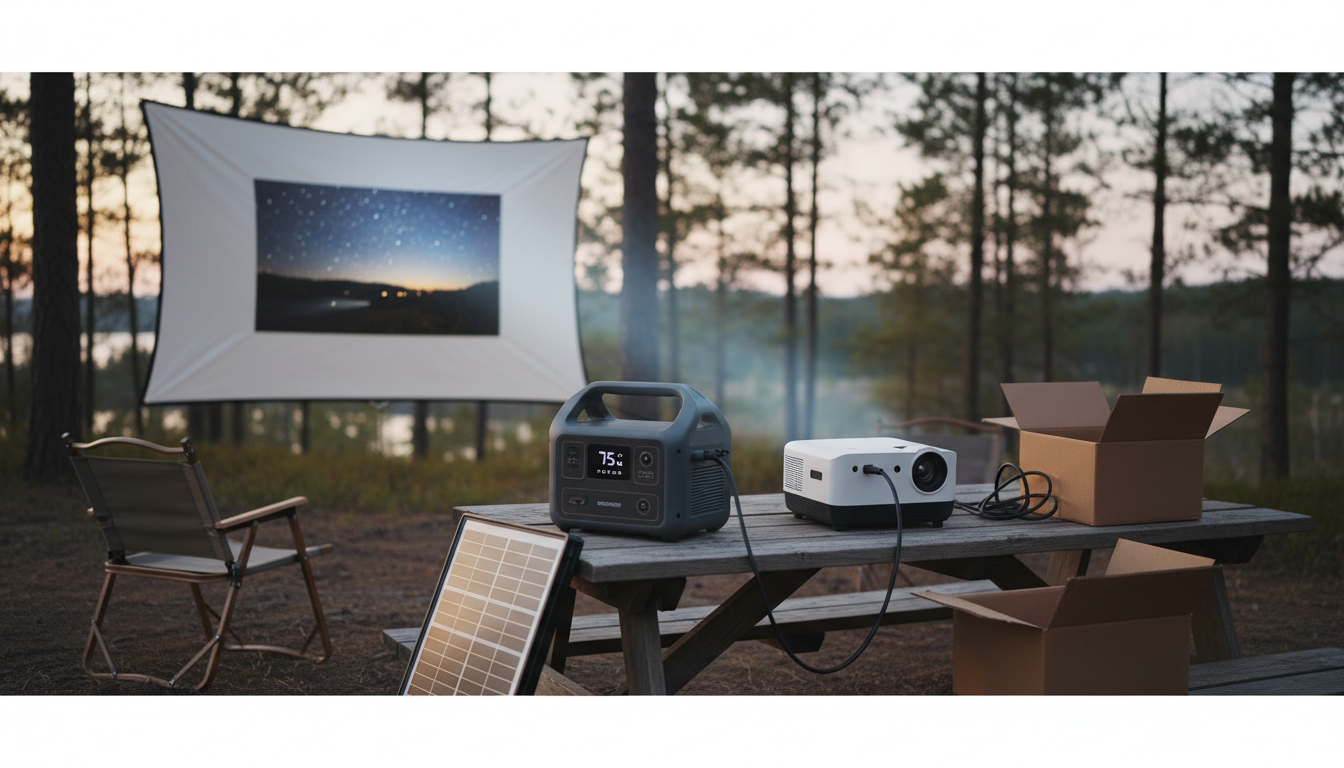
How Do Portable Power Stations Work? A Beginner's Guide to Off-Grid Energy
Compare how do portable power stations work with a practical informational SEO brief, decision criteria, FAQs, and publishing checks before you commit.
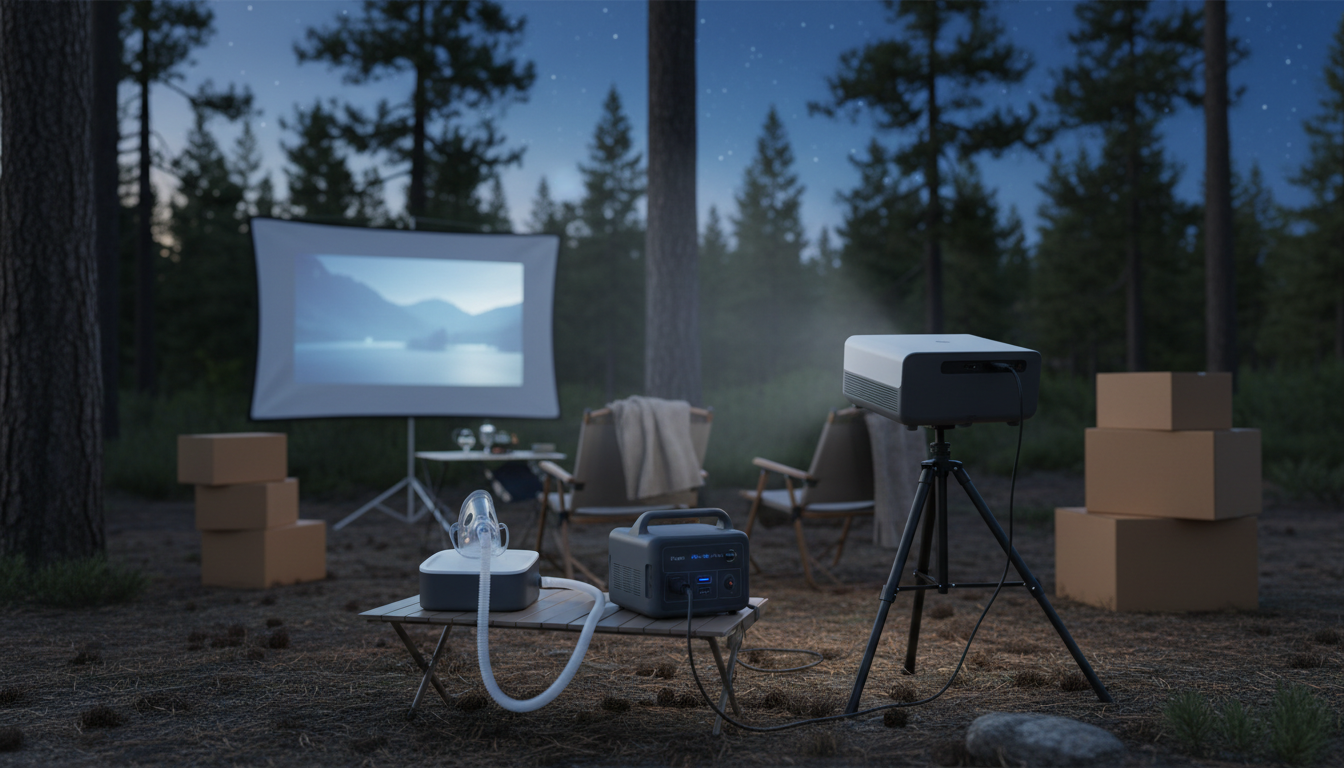
Best Portable Power Stations for CPAP: Ensuring Uninterrupted Sleep On the Go
Compare best portable power stations for cpap with a practical commercial SEO brief, decision criteria, FAQs, and publishing checks before you commit.