
Your Complete Guide to Portable Power Stations: What You Need to Know
Power On the Go: Your Introduction to Portable Power Stations
A portable power station is a self-contained, rechargeable battery system designed to provide electricity for various devices and appliances away from traditional wall outlets. These units typically feature multiple output ports, including standard AC outlets, DC ports, and USB ports, making them versatile energy hubs for a range of electronics.
Their popularity has surged due to their silent operation, lack of emissions, and compact design, offering a convenient alternative to noisy, fuel-dependent generators. From powering essential devices during a home power outage to keeping electronics charged on remote camping trips or supporting off-grid living, portable power stations are becoming indispensable tools for modern life.
This guide is designed to empower you with comprehensive knowledge. We will navigate the complexities of portable power stations, helping you understand their technical capabilities, evaluate real-world trade-offs, and confidently select a unit that precisely matches your power requirements, usage scenarios, and budget.
Beyond the Grid: Why Portable Power Stations Are a Smart Choice
Portable power stations address a fundamental need for accessible, reliable electricity in scenarios where traditional grid power is absent or compromised. They offer a distinct advantage over conventional alternatives, particularly gas-powered generators, by providing a cleaner, quieter, and more versatile energy solution for a range of applications.
The core problem portable power stations solve is the demand for immediate, on-the-go power without the drawbacks of combustion engines. They are emission-free during operation, eliminating concerns about carbon monoxide poisoning, which is a significant risk with improperly ventilated gas generators. This makes them safe for indoor use during power outages or within enclosed spaces like RVs. Their silent operation is another key differentiator, providing power without the disruptive noise associated with gas generators, enhancing comfort in camping environments, residential areas during outages, or quiet work sites.
Portable power stations excel in various real-world situations:
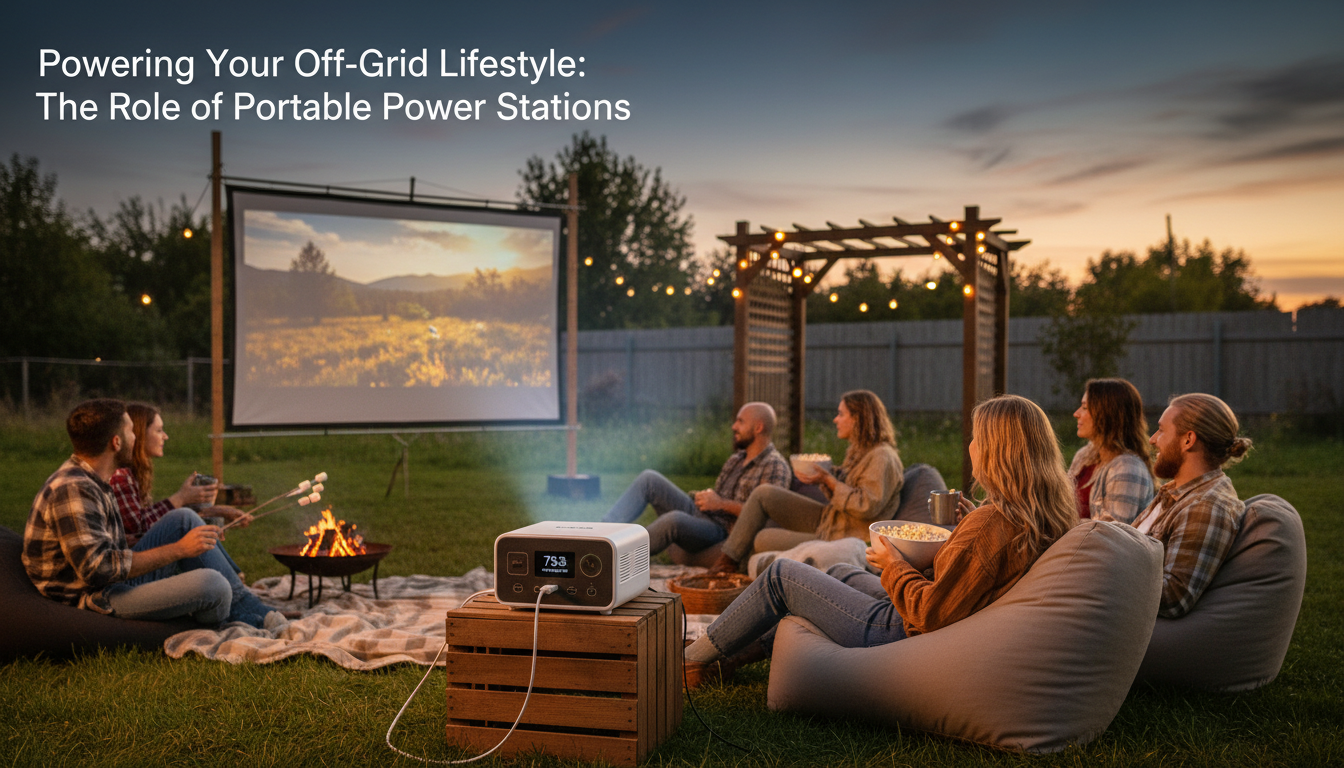
- Outdoor Adventures: For camping, RV trips, or tailgating, they power everything from portable refrigerators and lights to charging phones, drones, and cameras, extending the comfort and utility of home into remote locations.
- Home Backup: During unexpected power outages, these stations can keep essential devices running, such as medical equipment, lights, Wi-Fi routers, and charging personal electronics, providing crucial communication and comfort.
- Remote Work Sites: They offer a convenient power source for tools, laptops, and other equipment in areas without readily available outlets, boosting productivity and flexibility.
- Emergency Preparedness: Beyond outages, they are vital for disaster readiness, ensuring access to power for communication and critical needs when infrastructure is compromised.
When compared to gas generators, portable power stations present a compelling alternative with different trade-offs:
- Noise and Emissions: Portable power stations operate silently and produce zero emissions, making them suitable for indoor use and environmentally sensitive areas. Gas generators are often loud and emit exhaust fumes, requiring outdoor operation and careful ventilation.
- Fuel and Maintenance: Portable power stations run on rechargeable batteries, requiring no fuel purchases or engine maintenance. Gas generators depend on a constant supply of gasoline and necessitate regular oil changes, spark plug replacements, and fuel stabilization.
- Convenience and Portability: While some portable power stations can be heavy, they are generally designed for easier transport and plug-and-play operation. Gas generators, especially larger models, can be cumbersome and require more setup.
- Run Time vs. Recharge Time: Gas generators can run for extended periods as long as fuel is available. Portable power stations, like any battery, have a finite capacity and require hours to recharge once depleted, which can be an inconvenience if continuous power is needed without a charging source.
Ultimately, portable power stations offer a modern, efficient, and user-friendly solution for a wide array of power needs, prioritizing convenience, safety, and environmental considerations over the raw, continuous power output of traditional fuel-based generators.
Key Considerations: What to Look for in a Portable Power Station
Selecting a portable power station requires a clear understanding of your specific needs and how various technical specifications translate into real-world performance. Evaluating these core criteria will significantly narrow your options, ensuring you choose a unit that aligns with your power demands, usage scenarios, and long-term expectations.
-
Power Output (Wattage): Continuous vs. Peak This metric determines what devices the power station can run. Continuous wattage indicates the maximum power the unit can deliver steadily, while peak wattage (or surge power) refers to a higher, temporary burst of power needed for appliances with motors (like refrigerators or power tools) during startup. Match the continuous wattage to your highest-draw device, and ensure the peak wattage can handle any initial surges. Underestimating this can lead to devices not functioning or the power station overloading.
-
Battery Capacity (Watt-hours/Amp-hours) Capacity dictates how long a power station can power your devices. Measured in Watt-hours (Wh) or sometimes Amp-hours (Ah) at a specific voltage, a higher number means longer runtimes. To estimate your needs, sum the wattage of devices you plan to use and multiply by the desired hours of operation. This figure should be less than the power station's Wh capacity, accounting for some energy loss during conversion.
-
Battery Chemistry (LiFePO4 vs. Lithium-ion) The type of battery chemistry impacts a unit's lifespan, safety, and cost. Lithium Iron Phosphate (LiFePO4 or LFP) batteries generally offer significantly more charge cycles (2,500-3,500+) and greater thermal stability, leading to a longer overall lifespan and enhanced safety compared to traditional Lithium-ion (NMC) batteries (typically 500-1,000 cycles). While often more expensive initially, LFP batteries can offer better long-term value due to their durability.
-
Input/Output Ports Consider the variety and quantity of ports. Most stations include AC outlets (for standard household plugs), USB-A and USB-C ports (for charging phones, laptops, and smaller electronics), and DC outputs (for car chargers or specific appliances). Ensure the station has enough of the right type of ports to power all your intended devices simultaneously without needing adapters.
-
Recharging Options and Speed Flexibility in recharging is crucial. Common methods include wall outlets (AC), solar panels, and car chargers (DC). Evaluate the speed of recharging for each option. Some units offer rapid charging capabilities, which can be a significant advantage when time is limited or when relying on intermittent power sources like solar.
-
Portability and Weight The physical size and weight directly affect where and how you can use the power station. While higher capacity often means greater weight, consider your ability to transport the unit. For frequent solo carrying or moving around a home, a practical upper limit for comfortable portability is often around 50 pounds. Heavier units might require two people or a cart for easy relocation.
-
Brand Reputation and Reliability Investing in a portable power station from an established manufacturer often correlates with better build quality, safety features, reliable performance, and accessible customer support. Researching brand reputation can mitigate risks associated with product longevity and potential warranty issues, ensuring your investment is sound.
Decoding the Details: Understanding Power Station Specifications
Moving beyond basic capacity, a deeper dive into specific technical features reveals how a portable power station will perform in real-world scenarios and its long-term value. Understanding these nuances is crucial for aligning a unit with your specific needs and protecting your sensitive electronics.
-
Inverter Type: Pure Sine Wave vs. Modified Sine Wave The inverter converts the battery's DC power into the AC power used by most household appliances.
- Pure Sine Wave: This output mimics the smooth, consistent waveform of grid electricity. It's essential for sensitive electronics like laptops, medical devices, power tools with variable speed motors, and appliances with microprocessors. Using a pure sine wave inverter prevents potential damage, malfunctions, or reduced lifespan for these devices.
- Modified Sine Wave: This is a more basic, "stepped" approximation of an AC waveform. While cheaper, it's only suitable for simple resistive loads such as incandescent lights, heating elements, or older, less sensitive motors. Using it with sensitive electronics can cause humming, overheating, or permanent damage. Always verify your devices' power requirements.
-
Charge Cycles: Longevity and Investment A charge cycle refers to one complete discharge of the battery from 100% to 0% and subsequent recharge back to 100%. This metric indicates the battery's expected lifespan.
- A higher number of charge cycles (e.g., 2,500+ for LiFePO4 batteries compared to 500-800 for traditional lithium-ion) means the battery can be fully discharged and recharged more times before its capacity significantly degrades.
- For users planning frequent, heavy use, a power station with a high charge cycle rating represents a better long-term investment, as it will maintain its usable capacity for many more years.
-
Pass-Through Charging: Continuous Power Capability Pass-through charging allows the power station to simultaneously draw power from an input source (like a wall outlet or solar panel) and deliver power to connected devices.
- This feature is highly convenient, enabling the unit to function as an uninterruptible power supply (UPS) for critical devices during brief power fluctuations or to extend runtime indefinitely when connected to a continuous power source.
- While convenient, some designs may prioritize charging efficiency over battery health during pass-through, so understanding how a specific unit manages this can be important for battery longevity.
-
Expandability: Scaling Your Power Some portable power stations offer options to increase their capacity or input capabilities.
- Extra Batteries: The ability to connect additional battery packs can significantly extend the runtime, making the system more suitable for extended outages or longer off-grid adventures without needing to recharge.
- Multiple Solar Panels: Support for connecting multiple solar panels in series or parallel allows for faster recharging times, especially beneficial when relying on solar as the primary power source. This scalability ensures the unit can adapt to growing power demands over time.
-
Safety Features: Protecting Your Investment and Devices Robust safety features are non-negotiable for any portable power station, safeguarding both the unit itself and any connected electronics. Key protections often include:
- Overload Protection: Prevents damage if devices attempt to draw more power than the station can safely supply.
- Short-Circuit Protection: Automatically shuts down power in case of a short circuit, preventing damage to the unit and connected devices.
- Over-Temperature Protection: Monitors internal temperatures and reduces output or shuts down if overheating is detected.
- Over-Voltage/Under-Voltage Protection: Protects against unstable input or output voltages.
- Battery Management System (BMS): A comprehensive system that oversees individual battery cell health, balancing, and overall performance, crucial for the longevity and safety of the battery pack.
Navigating the Realities: Trade-offs and Limitations of Portable Power Stations
While portable power stations offer significant convenience and versatility, understanding their inherent trade-offs and limitations is crucial for setting realistic expectations and making an informed purchase. These units are powerful tools, but they are not without practical constraints that can influence their suitability for specific tasks.
Consider these practical realities before investing:
- Weight and Size Challenges: The capacity of a portable power station directly correlates with its physical size and weight. Higher watt-hour (Wh) ratings, which denote greater energy storage, inevitably mean larger, heavier units. While "portable," many higher-capacity models can weigh upwards of 50 pounds, making them challenging for one person to carry long distances or load/unload without assistance. True portability often means a compromise on total available power.
- Recharge Time Investment: Unlike a gas generator that can be refueled instantly, a portable power station requires hours to fully replenish its battery once depleted. Depending on the capacity and charging method (wall outlet, solar panels, car charger), this process can take anywhere from a few hours to an entire day. This downtime means careful planning is necessary, especially for extended use scenarios or when relying on solar charging, which is dependent on sunlight availability.
- Performance in Environmental Extremes: Portable power stations, like most battery-powered devices, are sensitive to temperature. Operating them in very hot or very cold conditions can degrade battery performance, reduce overall efficiency, and shorten the battery's lifespan. Furthermore, many units lack robust ingress protection (IP) ratings, meaning they are not designed to withstand rain, dust, or other harsh environmental elements, limiting their reliable use in certain outdoor conditions.
- Cost Versus Capabilities: The market for portable power stations ranges from budget-friendly options to high-end, feature-rich models. "Cheap portable power stations" often come with compromises, such as less durable battery chemistries (e.g., NMC instead of LiFePO4), lower quality inverters, fewer output ports, or slower charging speeds. Balancing your budget with desired features—like higher output wattage, faster recharge times, or more advanced battery technology—is a key decision point, as enhanced capabilities typically command a higher price.
- Not a Whole-Home Generator Replacement: While excellent for powering essential devices and specific appliances during shorter outages, portable power stations are generally not designed as direct replacements for whole-home generators during prolonged power failures. Their finite battery capacity means they cannot provide continuous, high-wattage power for days or weeks without frequent, time-consuming recharging. They excel at managing critical loads and providing temporary relief, but their role is distinct from that of a permanent, high-capacity backup power system.
Finding Your Perfect Match: How to Choose Based on Your Needs
Selecting the ideal portable power station requires a clear understanding of your specific use cases and a thoughtful prioritization of features. There isn't a universal "best" option; instead, the right choice aligns with your power demands, portability requirements, and financial considerations.
To navigate the options effectively, consider these common scenarios and how they influence your selection:
-
Light Mobile Charging (e.g., day hikes, brief commutes, charging phones/tablets):
- Needs: Minimal capacity (100-300 Watt-hours), ultra-lightweight, compact design. Focus on multiple USB-A and USB-C Power Delivery (PD) ports.
- Priorities: Portability is paramount. Fast charging for small devices and quick recharge times for the unit itself are beneficial.
- Budget: Entry-level models are often sufficient. Look for units with robust casings if frequent outdoor use is anticipated.
-
Weekend Adventures & Car Camping (e.g., running a mini-fridge, lights, drone, laptop):
- Needs: Moderate capacity (500-1000 Watt-hours), at least one pure sine wave AC outlet, 12V DC car port, and USB options. Balanced weight for transport from vehicle to campsite.
- Priorities: Sufficient AC output to power small appliances without damage. Battery chemistry like LiFePO4 offers more charge cycles, which is valuable for frequent use.
- Budget: Mid-range investment. Consider the total cost over the expected lifespan, as higher-quality batteries can offer better long-term value.
-
Emergency Home Backup (e.g., essential medical devices, Wi-Fi router, lights, small refrigerator):
- Needs: High capacity (1000+ Watt-hours), multiple high-wattage AC outlets, ability to handle surge power for motors (like refrigerators), and pass-through charging.
- Priorities: Reliability, safety features, and sustained power output are critical. Fast recharging from wall outlets or solar panels (if planned) is a key convenience.
- Budget: This often represents a significant investment. Focus on units with proven durability, advanced battery management systems, and a long cycle life to ensure readiness when needed.
When allocating your budget, resist the temptation to solely pursue the cheapest option. While lower-priced units can be appealing, they often come with trade-offs in battery capacity, output wattage, port variety, or battery chemistry. A slightly higher upfront investment in a unit with a more durable battery type (like LiFePO4) or a better warranty can translate to greater reliability and a longer service life, providing better value over time. Evaluate the cost per Watt-hour and the expected number of charge cycles to understand the true long-term expense.
Your Questions Answered: Portable Power Station FAQs
Navigating the world of portable power can bring up several practical questions. Understanding these common queries can help solidify your decision-making process and ensure you choose a unit that truly meets your needs and expectations.
-
How long do portable power stations typically last (lifespan)? The lifespan of a portable power station is primarily measured by its "cycle life," which indicates how many times the battery can be fully charged and discharged before its capacity significantly degrades (typically to 80% of its original capacity). Modern portable power stations often use either Lithium-ion (NMC) or Lithium Iron Phosphate (LiFePO4) batteries. LiFePO4 batteries generally offer a significantly longer cycle life, often ranging from 2,500 to 3,500 cycles or more, making them a preferred choice for long-term reliability, as noted in expert reviews. NMC batteries typically offer 500 to 1,000 cycles. Proper maintenance and usage also play a crucial role in extending a unit's operational life.
-
Can portable power stations be used indoors safely? Absolutely. One of the primary advantages of portable power stations over traditional gas generators is their safety for indoor use. They operate silently and produce no emissions, eliminating the risk of carbon monoxide poisoning. This makes them ideal for powering essential devices during home power outages, or for use in enclosed spaces like RVs, tents, or workshops without ventilation concerns.
-
What is the best way to maintain a portable power station? Consistent maintenance can significantly extend your power station's life and ensure peak performance when you need it most.
- Store at partial charge: For long-term storage, aim to keep the battery charged between 50% and 80%. Storing at 0% or 100% for extended periods can stress the battery.
- Periodic use and recharge: Even if not in regular use, fully discharge and recharge the unit every 3-6 months to keep the battery cells active and calibrated.
- Optimal temperature: Store the unit in a cool, dry place, away from direct sunlight and extreme temperatures.
- Keep clean: Ensure vents are clear of dust and debris to prevent overheating.
- Follow manufacturer guidelines: Always refer to the specific instructions provided by the manufacturer for your model.
-
Are they safe to use with all electronics? Most modern portable power stations are designed with safety in mind and are generally safe for a wide range of electronics. Units with "pure sine wave" inverters are particularly recommended, as they produce a clean, stable electrical current similar to household utility power, making them safe even for sensitive electronics like laptops, medical devices, and precision tools. Always check the power station's output wattage and the power requirements of your devices to ensure compatibility and prevent overloading. Built-in safety features like overcharge, over-discharge, and short-circuit protection are standard in quality units.
-
What's the difference between a portable power station and a power bank? While both provide portable power, their scale and intended use differ significantly. A power bank is typically a compact, handheld device designed to charge small USB-powered electronics like smartphones, tablets, and earbuds. They have smaller battery capacities (measured in mAh) and usually only offer USB output ports. A portable power station, conversely, is a much larger and heavier unit with a substantially greater battery capacity (measured in Watt-hours or Wh). It features a wider array of output ports, including standard AC outlets, DC ports, and multiple USB types, enabling it to power larger appliances, tools, and multiple devices simultaneously for extended periods.
Empowering Your Adventures and Backup Plans
Navigating the landscape of portable power stations can seem complex, but by focusing on your individual requirements and understanding the core specifications, you gain clarity. This guide has aimed to demystify the technical aspects and highlight the real-world trade-offs, from capacity and power output to battery chemistry and charging options. Recognizing the importance of matching a unit's capabilities to your specific devices and usage scenarios—whether for emergency home backup, remote work, or outdoor excursions—is the most critical step in your decision-making process.
Ultimately, the best portable power station is the one that reliably meets your unique power demands without compromise. With a clear understanding of your needs and the insights gained into these versatile devices, you are now equipped to confidently select a solution that ensures your adventures remain powered, and your essential systems stay operational, no matter where life takes you.

More in Portable Power Stations
View All
How Long Do Portable Power Stations Last? Understanding Battery Lifespan and Maintenance
Compare how long do portable power stations last with a practical informational SEO brief, decision criteria, FAQs, and publishing checks before you commit
How Do Portable Power Stations Work? A Beginner's Guide to Off-Grid Energy
Compare how do portable power stations work with a practical informational SEO brief, decision criteria, FAQs, and publishing checks before you commit.
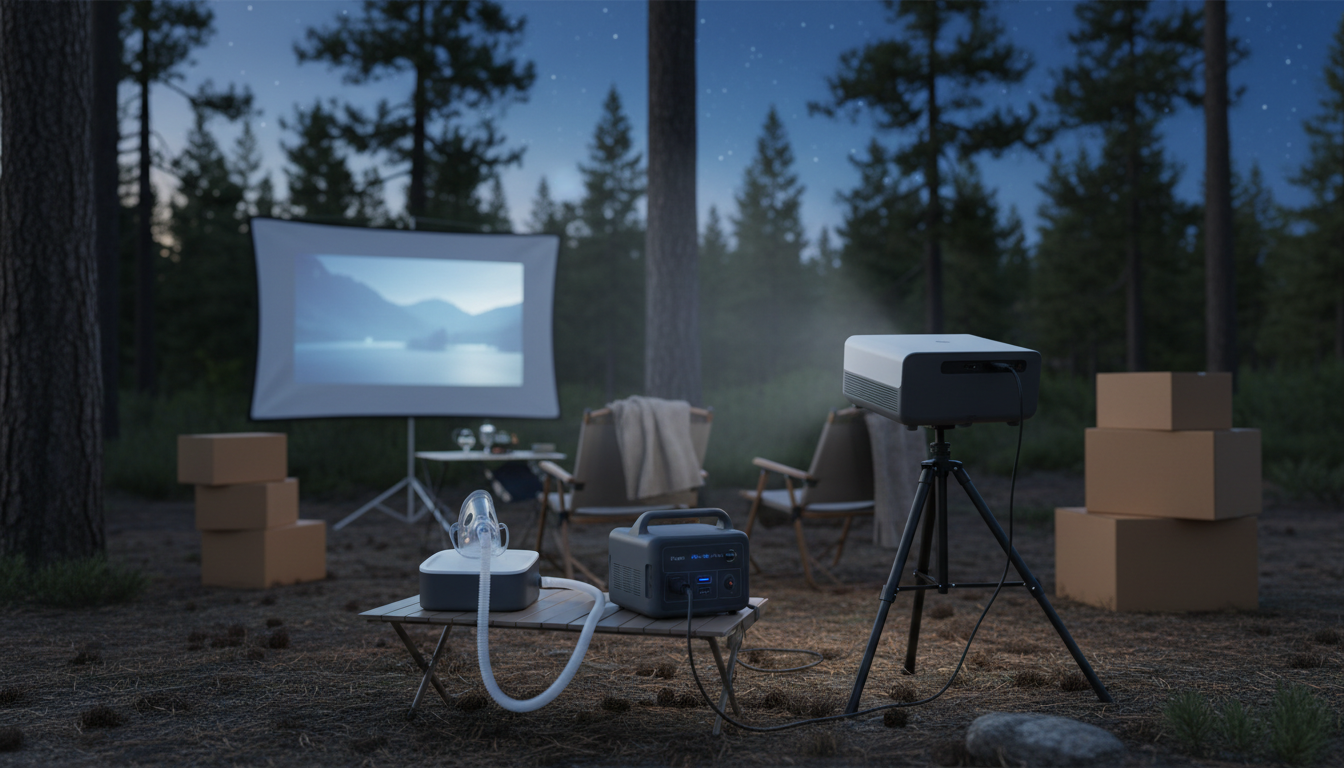
Best Portable Power Stations for CPAP: Ensuring Uninterrupted Sleep On the Go
Compare best portable power stations for cpap with a practical commercial SEO brief, decision criteria, FAQs, and publishing checks before you commit.