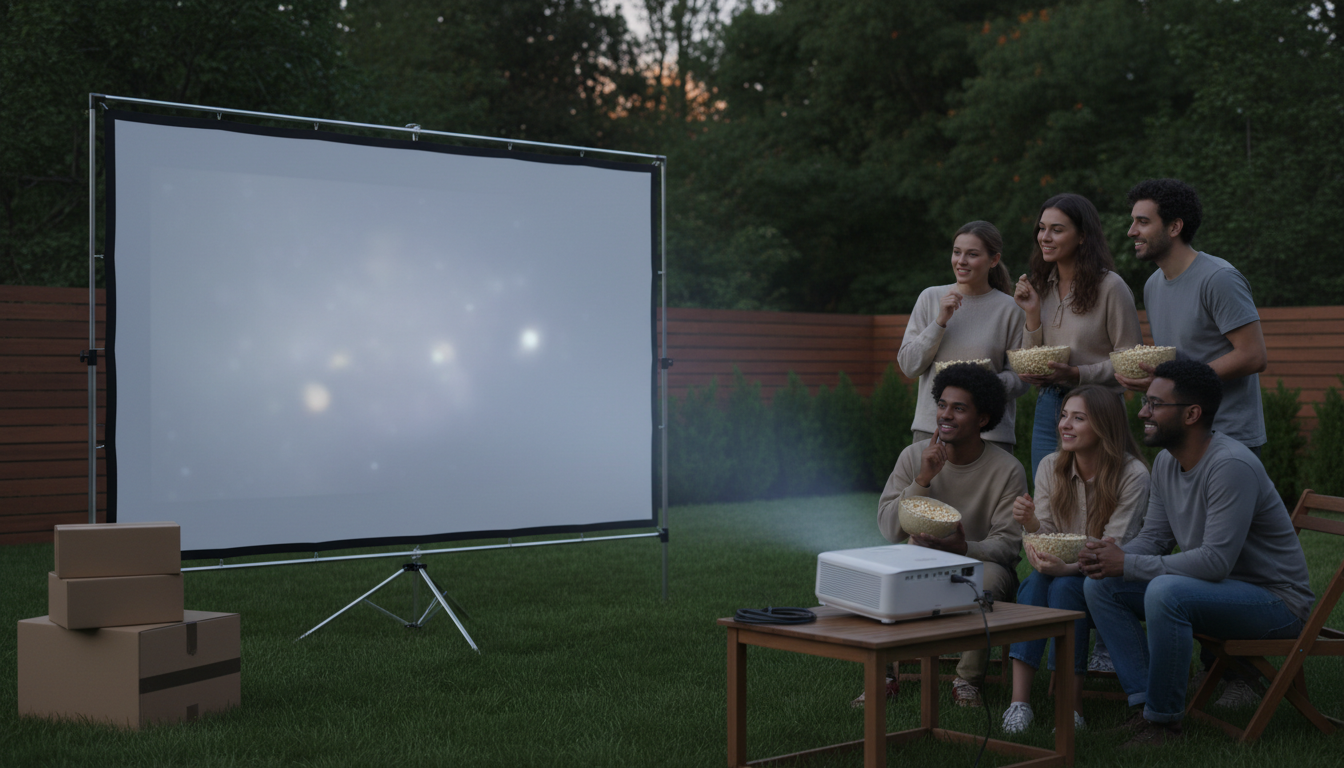
How to Choose the Best Outdoor Projector Screen for Your Needs
Transform Your Backyard: Finding the Perfect Outdoor Projector Screen
The allure of outdoor entertainment, from movie nights under the stars to live sports viewing parties, has made backyard projector setups increasingly popular. Transforming your outdoor space into a vibrant viewing arena offers a unique blend of comfort and cinematic magic, creating memorable experiences for friends and family.
However, the initial excitement of this prospect can quickly give way to confusion when faced with the vast array of outdoor projector screen options. Different materials, sizes, mounting types, and features present a complex landscape, making it challenging to discern which screen truly aligns with your specific needs and environment.
This guide aims to demystify the selection process. We'll explore the critical factors, trade-offs, and usage scenarios that define an ideal outdoor projector screen. By understanding these nuances, you can confidently identify the screen type, material, and features that best suit your outdoor setup, viewing habits, and budget, ensuring your purchase leads to countless hours of enjoyable outdoor entertainment.
Understanding the Different Types of Outdoor Projector Screens
Choosing the right outdoor projector screen begins with understanding the fundamental structural designs available, each offering distinct advantages and trade-offs for different viewing environments and preferences. Your selection will impact image quality, setup convenience, and long-term durability in an outdoor setting.
Inflatable Screens
Inflatable projector screens offer a convenient solution for large-format outdoor viewing with relative ease of setup. These screens typically feature a durable fabric surface attached to an inflatable frame.
- Advantages:
- Large Sizes: Easily achieve very large screen sizes, often exceeding 100 inches diagonally, for an immersive experience.
- Portability: When deflated and folded, they are surprisingly compact for transport and storage.
- Ease of Setup: Inflation is generally quick, often taking minutes with an electric air pump.
- Considerations:
- Wind Stability: Susceptible to wind, requiring careful anchoring with ropes and stakes to prevent movement and potential damage.
- Air Pump Noise: The continuous operation of an air pump can generate background noise, which may be noticeable during quiet movie scenes.
- Puncture Risk: While durable, the inflatable frame can be vulnerable to punctures from sharp objects.
Fixed-Frame Screens
Fixed-frame screens are designed for semi-permanent outdoor installations, prioritizing image flatness and stability. They consist of a rigid frame onto which the screen material is tensioned, similar to a stretched canvas.
- Advantages:
- Superior Image Flatness: The tensioned surface ensures a perfectly flat viewing area, critical for optimal image geometry and preventing distortions.
- Rigid Structure: Offers excellent stability, making them less susceptible to minor breezes or accidental bumps compared to other types.
- Professional Appearance: Provides a clean, taut presentation often preferred for dedicated outdoor cinema spaces.
- Considerations:
- Installation: Requires a more involved, semi-permanent installation, often involving mounting hardware to a wall, fence, or custom stand.
- Less Portable: Not designed for frequent relocation, making them less suitable for varied event locations.
- Dedicated Space: Best suited for a specific, protected outdoor area where it can remain set up or be easily stored nearby.
Portable/Foldable Screens
Portable and foldable screens strike a balance between image quality and convenience, offering versatility for various outdoor uses. These screens typically feature a tensioned fabric surface supported by a lightweight, collapsible frame.
- Advantages:
- Versatility: Suitable for backyard movie nights, camping trips, or presentations, easily adapting to different locations.
- Compact Storage: Frames often break down into smaller pieces, and the screen material folds, allowing for compact storage and transport in a carry bag.
- Varying Setup Complexity: Some designs offer quick snap-together frames for rapid deployment, while others may require more assembly.
- Considerations:
- Image Flatness: While generally good, the tensioning may not always match the absolute flatness of a fixed-frame screen, especially in windy conditions.
- Durability of Frame: The lightweight nature of portable frames can sometimes mean less inherent stability compared to fixed options, requiring careful handling and anchoring.
Wall-Mounted & DIY Options
For those seeking cost-effective or highly customized solutions, wall-mounted or DIY projector screens present viable alternatives, though with specific limitations.
- Advantages:
- Cost-Effective: Utilizing existing outdoor walls or creating a simple frame can significantly reduce costs.
- Customization: Allows for precise sizing and material selection to fit unique spaces or aesthetic preferences.
- Permanent Solution: A wall-mounted screen can offer a fixed, ready-to-use setup without needing to be assembled each time.
- Considerations:
- Image Quality Variability: DIY surfaces (like painted walls or tarps) may not offer the optical properties of purpose-built screen materials, potentially affecting color accuracy, brightness, and viewing angles.
- Weather Exposure: If left exposed, these options require weather-resistant materials and finishes to prevent damage from sun, rain, and humidity.
- Surface Imperfections: Existing walls may have textures or imperfections that can degrade projected image quality.
Key Factors to Consider When Choosing an Outdoor Projector Screen
Selecting an outdoor projector screen involves balancing image quality, durability, and practical considerations for your specific environment. The ideal screen enhances your viewing experience while withstanding the elements and fitting your usage patterns.
Screen Material and Gain
The material composition and gain rating of a projector screen directly influence image brightness, contrast, and color reproduction, especially under varying outdoor light conditions. Screen materials like PVC (polyvinyl chloride) often offer a smooth, uniform surface, while polyester blends can provide flexibility and lighter weight.
- Gain: This numerical value indicates how much light the screen reflects compared to a standard white matte surface. A gain of 1.0 reflects light evenly across all viewing angles. Higher gain (e.g., 1.5-2.0) screens intensify brightness, which can be beneficial in ambient light or with lower-lumen projectors, but often at the cost of narrower viewing angles. Lower gain (e.g., 0.8) screens offer wider viewing angles and deeper blacks, suitable for darker conditions or larger audiences.
- Material Properties: Beyond gain, the material's color (white, grey, or specialized coatings) impacts contrast. White screens are common for general use, while grey screens can improve black levels in environments with some ambient light. The material's finish also affects glare and hotspotting.
Size and Aspect Ratio
Determining the appropriate screen size and aspect ratio ensures comfortable viewing for your audience and optimal display of content. Consider the available space, typical viewing distance, and the number of viewers.
- Viewing Distance: A common guideline suggests that the closest viewer should be no closer than 1.5 times the screen height, and the farthest viewer no more than 5 times the screen height. This helps prevent eye strain and ensures details are visible.
- Audience Size: Larger audiences generally require larger screens. For a few people, a smaller screen might suffice, but for a crowd, a screen that allows everyone a clear view is necessary.
- Aspect Ratio: The most common aspect ratios are 16:9 (widescreen, standard for modern movies and TV) and 4:3 (traditional TV format, less common for new content). Choosing a screen that matches your primary content's aspect ratio minimizes black bars and maximizes screen utilization. Some screens offer interchangeable surfaces or adjustable frames to accommodate multiple ratios.
Durability and Weather Resistance
Outdoor screens are exposed to environmental stressors that can degrade image quality and structural integrity over time. Prioritizing robust materials and construction is essential for longevity.
- UV Resistance: Prolonged exposure to sunlight can cause screen materials to yellow, crack, or become brittle. UV-resistant coatings or materials help maintain color accuracy and structural integrity.
- Mildew Resistance: High humidity and moisture can lead to mildew growth, which stains the screen and affects image quality. Screens treated for mildew resistance are easier to maintain and clean.
- Water Resistance: While not always fully waterproof, screens designed for outdoor use should repel water to prevent damage and allow for quick drying after rain. This often involves specific fabric treatments or PVC construction.
- Temperature Fluctuations: Materials should be able to withstand a range of outdoor temperatures without becoming overly stiff, brittle, or prone to warping.
Portability and Setup
The ease with which a screen can be assembled, disassembled, and stored impacts its practical utility, especially for temporary setups.
- Assembly Type: Options range from inflatable screens (quick inflation, but require a continuous blower), tensioned frame screens (snaps or bungee cords to attach the surface to a rigid frame, offering a flat surface), to pull-down or fixed-frame screens (more permanent, often requiring mounting).
- Weight and Storage: Consider the screen's overall weight and packed dimensions if you plan to transport it frequently or have limited storage space. Lighter, more compact designs are advantageous for portability but may trade off some stability.
- Setup Time: Evaluate how much time you are willing to dedicate to setup and takedown. Inflatable screens are generally fast, while tensioned frames might take longer but provide a tauter surface.
Wind Resistance and Stability
Outdoor environments are rarely perfectly still, making wind resistance a critical factor for maintaining a stable, wrinkle-free viewing surface.
- Frame Design: Robust frame materials (e.g., aluminum, steel) and sturdy construction are vital. Frames that interlock securely or use thick-gauge tubing offer better resistance to bending or collapsing in wind.
- Tensioning Mechanisms: A well-tensioned screen surface is less prone to flapping or wrinkling in the wind. Systems using multiple attachment points, bungee cords, or snap fasteners help keep the screen taut.
- Anchoring Methods: Screens require secure anchoring to prevent them from tipping over or blowing away. Common anchoring solutions include ground stakes, sandbags, or water bags, which add weight and stability. For larger screens, multiple anchoring points are often necessary.
Navigating Trade-Offs: Balancing Features with Your Outdoor Environment
Selecting an outdoor projector screen involves a series of compromises, as no single option perfectly excels in all aspects. Understanding these trade-offs allows buyers to prioritize features that align with their specific outdoor setup and viewing preferences.
Portability vs. Image Quality
Highly portable screens, such as inflatable or pop-up designs, offer convenience for transport and quick deployment. However, this ease often comes at the expense of screen tension and flatness. These screens can be prone to wrinkles or ripples, which may subtly detract from image uniformity. In contrast, screens with rigid, tensioned frames provide a consistently flat and taut surface, leading to superior image clarity and color accuracy. While these options deliver excellent picture quality, they are typically less convenient to move and store.
Cost vs. Durability
The initial investment in an outdoor projector screen often correlates with its long-term resilience. Budget-friendly screens may utilize materials that offer less resistance to the elements, making them more susceptible to wear from UV exposure, wind, and moisture over time. Higher-priced screens frequently incorporate robust, weather-resistant fabrics and stronger frame constructions designed to withstand diverse outdoor conditions, potentially extending their lifespan and maintaining performance. Proper storage when not in use is crucial for any screen's longevity.
Setup Time vs. Stability
Quick-setup solutions, like inflatable screens or those with pre-assembled frames, minimize the time and effort required for deployment. This convenience is ideal for spontaneous events or frequent relocation. However, these designs can sometimes offer less structural stability, making them more vulnerable to wind or accidental bumps. More involved setups, typically featuring tensioned frames or fixed installations, require greater assembly time but provide a significantly sturdier and more reliable viewing platform, especially in less-than-ideal weather.
Ambient Light Conditions and Screen Gain
Screen gain refers to a material's ability to reflect projected light. A higher gain value can make images appear brighter, which is beneficial in environments with some ambient light, such as dusk or partially shaded areas. However, high-gain screens can sometimes narrow the optimal viewing angle, causing brightness to drop off for viewers positioned off-center. Screens with a gain closer to 1.0 offer wider viewing angles and more accurate color reproduction but perform best in darker conditions, like true nighttime viewing, where ambient light is minimal.
Common Pitfalls and Risks When Buying an Outdoor Projector Screen
Purchasing an outdoor projector screen involves more than just picking a size; understanding potential drawbacks and how to mitigate them is crucial for a satisfying viewing experience. Addressing these risks upfront can prevent disappointment and ensure your investment meets your expectations.
Overlooking Environmental Factors
Outdoor environments are unpredictable. A common mistake is underestimating the impact of wind and sudden weather changes. Screens not properly anchored can become unstable, leading to damage or safety hazards. Even a light breeze can cause a flimsy screen to sway, distorting the image. Prioritize screens with robust frame designs and multiple secure anchoring points, and always be prepared to take down the screen if strong winds or storms are forecast.
Suboptimal Viewing in Varied Lighting
Many buyers overlook how ambient light affects image quality. Choosing a screen material or gain value unsuitable for your typical viewing conditions (e.g., trying to watch in partial daylight) often results in a washed-out, low-contrast image. Dedicated outdoor screens are engineered with specific gain values and light-rejecting properties. Consider darker screen materials or those with higher gain if you anticipate viewing during dusk or in areas with unavoidable ambient light, understanding that higher gain might narrow the optimal viewing angle.
Neglecting Long-Term Care
The durability of an outdoor screen is directly tied to its care. Neglecting proper storage and maintenance can significantly shorten its lifespan. Prolonged exposure to UV rays, moisture, and extreme temperatures can degrade screen material, causing discoloration, brittleness, or mold. Always store your screen indoors in a dry, cool place when not in use. Follow manufacturer guidelines for cleaning to avoid damaging the surface.
Miscalculating Dimensions and Format
An incorrect screen size or aspect ratio can lead to a frustrating setup. A screen that's too large for your projector's throw distance will result in a dim image, while one that's too small might not fill the screen properly. Similarly, mismatching the screen's aspect ratio (e.g., 16:9 for widescreen movies) with your projector's native output or primary content can lead to black bars or distorted images. Measure your viewing area and calculate your projector's throw distance carefully before making a selection.
Opting for Improvised Surfaces
While convenient, using a white sheet, wall, or other non-specialized surface for projection significantly compromises performance. These surfaces lack the uniform reflectivity, color accuracy, and contrast-enhancing properties of a dedicated projector screen. Non-screen surfaces can also have distracting textures, wrinkles, or variations in color that distort the image. For optimal clarity, brightness, and true-to-life colors, a purpose-built outdoor projector screen is essential.
Making Your Final Decision: Matching a Screen to Your Outdoor Lifestyle
Selecting the ideal outdoor projector screen involves more than just picking the largest or cheapest option. It requires a thoughtful evaluation of how the screen will integrate into your specific outdoor activities and environment. By systematically addressing your needs and constraints, you can confidently choose a screen that delivers satisfaction and longevity.
Define Your Primary Use Case
Your screen's main purpose dictates its essential characteristics. Consider how you primarily intend to use the screen, as this will influence choices regarding size, material, and setup type.
- Casual Backyard Movies: For occasional family movie nights, portability and quick setup might be paramount. A smaller, inflatable, or pop-up screen could suffice.
- Large Gatherings/Events: Hosting bigger audiences demands a larger screen size and a more robust, stable frame. Image visibility from wider angles and potentially higher gain materials become important.
- Gaming: Latency is not typically a screen characteristic, but a stable, flat viewing surface and good contrast are crucial for an immersive gaming experience. Framed screens often provide the best tension for a smooth surface.
- Business Presentations: Clarity for text and graphics is key. A screen with a neutral gain and excellent flatness, often achieved with a tensioned frame, is preferable.
- Outdoor Sports Viewing: Similar to large gatherings, size and wide viewing angles are beneficial for groups. Durability for frequent setup might also be a factor.
Assess Your Outdoor Environment
The conditions of your outdoor space significantly impact which screen types are practical and durable. Ignoring environmental factors can lead to poor performance or screen damage.
- Wind Exposure: Areas prone to wind necessitate screens with heavy-duty frames, robust anchoring systems, or inflatable designs that can withstand gusts. Flimsy screens risk damage or instability.
- Typical Ambient Light Levels: If you plan to view during twilight or in areas with some light pollution, a screen material with a higher gain can help boost image brightness, though this may narrow viewing angles. For dark conditions, a neutral gain material is often ideal.
- Available Setup Space: Measure your intended viewing area to ensure the screen fits without obstruction and allows for adequate projector throw distance.
- Surface Stability: Consider if you have a flat, even surface for a framed screen or if uneven terrain requires a more adaptable solution like an inflatable screen.
- Power Availability: Inflatable screens require continuous power for their air blower, which needs to be factored into your setup plans. Manual or fixed-frame screens do not have this requirement.
Consider Your Budget and Value
Financial constraints are a practical reality, but they don't necessarily mean sacrificing quality. Instead, they guide where you might need to make trade-offs.
- Initial Cost vs. Longevity: A higher upfront investment often translates to better material quality, enhanced durability, and more advanced features (e.g., tensioning systems, motorized retraction). These screens may offer better long-term value by resisting weather elements and frequent use.
- Feature Prioritization: If your budget is limited, identify which features are absolutely essential for your primary use case and be prepared to compromise on less critical aspects. For example, you might prioritize a larger size over advanced tensioning if casual viewing is your main goal.
- Maintenance and Storage: Factor in the effort and space required for proper storage. Screens that are left exposed to elements or stored improperly will degrade faster, regardless of their initial cost. Storing screens in a dry, cool, and protected environment is crucial for longevity.
Prioritize Your Non-Negotiables
Before committing to a purchase, identify the features you cannot compromise on. These "must-haves" will narrow your options considerably.
- Portability: Is the screen frequently moved or stored? If so, lightweight, quick-assembly, or inflatable designs are essential.
- Image Quality: Is color accuracy, contrast, and a perfectly flat surface critical for your viewing experience? Tensioned framed screens typically excel here.
- Ease of Setup: Do you need to set up the screen quickly and often, perhaps by yourself? Look for designs with minimal parts and intuitive assembly.
- Durability: Will the screen be exposed to varied weather, frequent use, or children? Robust frames and weather-resistant materials are key.
- Size: Is there a minimum size required for your audience or viewing distance? This might be a hard limit that dictates screen type.
Understand that prioritizing one feature often involves a trade-off with another. For instance, maximum portability might mean a less rigid frame or a smaller screen size.
A Practical Checklist Before You Buy
Use these questions to finalize your decision and ensure the chosen screen aligns with your expectations:
- What is the primary activity I'll use the screen for (e.g., movies, gaming, presentations)?
- How often will the screen be set up and taken down?
- What are the typical wind conditions and ambient light levels in my outdoor viewing area?
- Do I have a stable, flat surface for deployment, and adequate space for the screen and projector?
- What is my realistic budget range, and what features am I willing to compromise on to stay within it?
- Which features (e.g., portability, image quality, durability, ease of setup) are absolutely essential for my needs?
- Where will I store the screen when not in use to protect it from moisture, sunlight, and extreme temperatures?
Frequently Asked Questions About Outdoor Projector Screens
Navigating the options for an outdoor projector screen can bring up several common questions. Understanding these aspects helps clarify expectations and guides you toward a suitable choice for your specific outdoor entertainment setup.
Can I use an indoor projector screen outdoors?
While an indoor projector screen might function temporarily outdoors, it is generally not recommended for sustained or regular use. Indoor screens are typically not designed to withstand outdoor elements such as wind, moisture, UV radiation, or temperature fluctuations. Their materials may degrade quickly, and their frames might lack the stability required for outdoor conditions. For optimal image quality and screen longevity, a purpose-built outdoor screen offers superior durability and performance.
How do I clean and maintain an outdoor projector screen?
Proper cleaning and maintenance are crucial for extending the life of your outdoor screen.
- Cleaning: Use a soft, lint-free cloth dampened with plain water or a very mild, diluted soap solution. Gently wipe the screen surface; avoid abrasive cleaners, harsh chemicals, or scrubbing, which can damage the screen material. Always consult the manufacturer's specific cleaning instructions.
- Storage: When not in use, especially for extended periods or during inclement weather, store the screen indoors. Keep it dry, cool, and protected from direct sunlight and moisture. This practice helps prevent material degradation and mold growth.
What's the ideal viewing distance for an outdoor screen?
The ideal viewing distance for an outdoor screen largely depends on the screen's size and aspect ratio. A common guideline suggests a viewing distance of approximately 1.5 to 2.5 times the diagonal measurement of the screen. For instance, a 100-inch diagonal screen might offer a comfortable viewing experience from 12.5 to 20.8 feet away. This range allows viewers to take in the entire image without straining their eyes or noticing individual pixels. Consider your available space and typical audience size when determining the appropriate screen dimensions and, consequently, the optimal viewing distance.
Do I need a special projector for outdoor use?
While you can use many standard indoor projectors outdoors, certain features are more beneficial for an outdoor environment. The most critical factor is the projector's brightness, measured in lumens. Outdoor viewing often involves more ambient light, even at dusk, so a projector with higher lumen output (e.g., 2,000 lumens or more) can produce a clearer, more vibrant image. Additionally, consider the projector's throw distance relative to your screen size and setup space. While the projector itself typically needs to be protected from direct weather, its performance in varying light conditions is key.
Enjoying Your Outdoor Cinema Experience
The quest for the "best" outdoor projector screen isn't about finding a universally superior product, but rather identifying the one that perfectly aligns with your unique outdoor space, viewing habits, and budget. Every setup is distinct, and what works for one enthusiast may not be ideal for another. The critical takeaway is that your personal criteria define what "best" truly means for you.
Throughout this guide, we've explored the nuances of screen types, the impact of material properties on image quality, the importance of size and aspect ratio for immersive viewing, and the practical considerations of durability and portability. These factors, alongside an understanding of potential trade-offs and usage scenarios, form the foundation of an informed decision.
Armed with this comprehensive understanding, you are now equipped to confidently navigate the market. By applying the insights gained, you can select an outdoor projector screen that not only meets your immediate entertainment desires but also promises lasting satisfaction and countless memorable moments under the open sky. Your ideal outdoor cinema experience awaits.
More in Outdoor Projector Screens
View All
Buying Outdoor Projector Screens on Amazon: What to Look For
Compare outdoor projector screens amazon with a practical informational SEO brief, decision criteria, FAQs, and publishing checks before you commit.
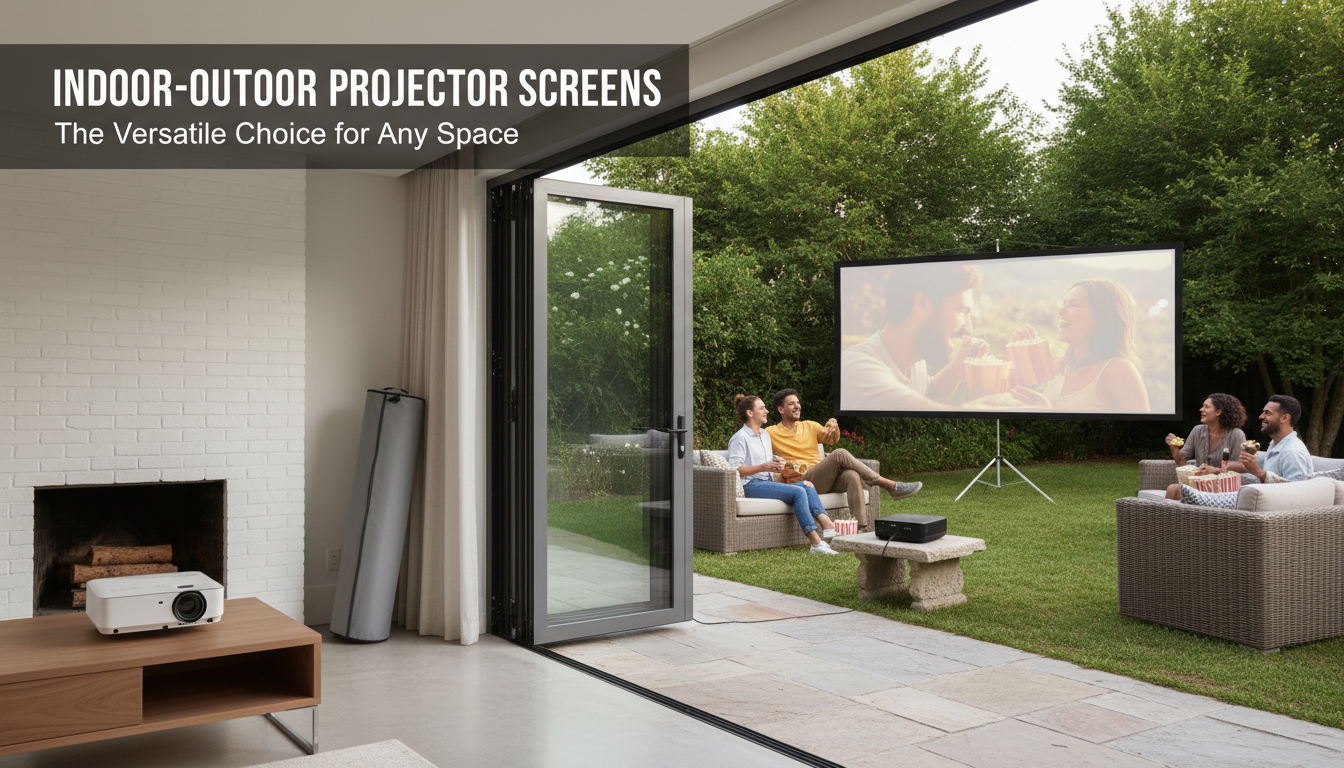
Indoor-Outdoor Projector Screens: The Versatile Choice for Any Space
Compare indoor outdoor projector screens with a practical informational SEO brief, decision criteria, FAQs, and publishing checks before you commit.
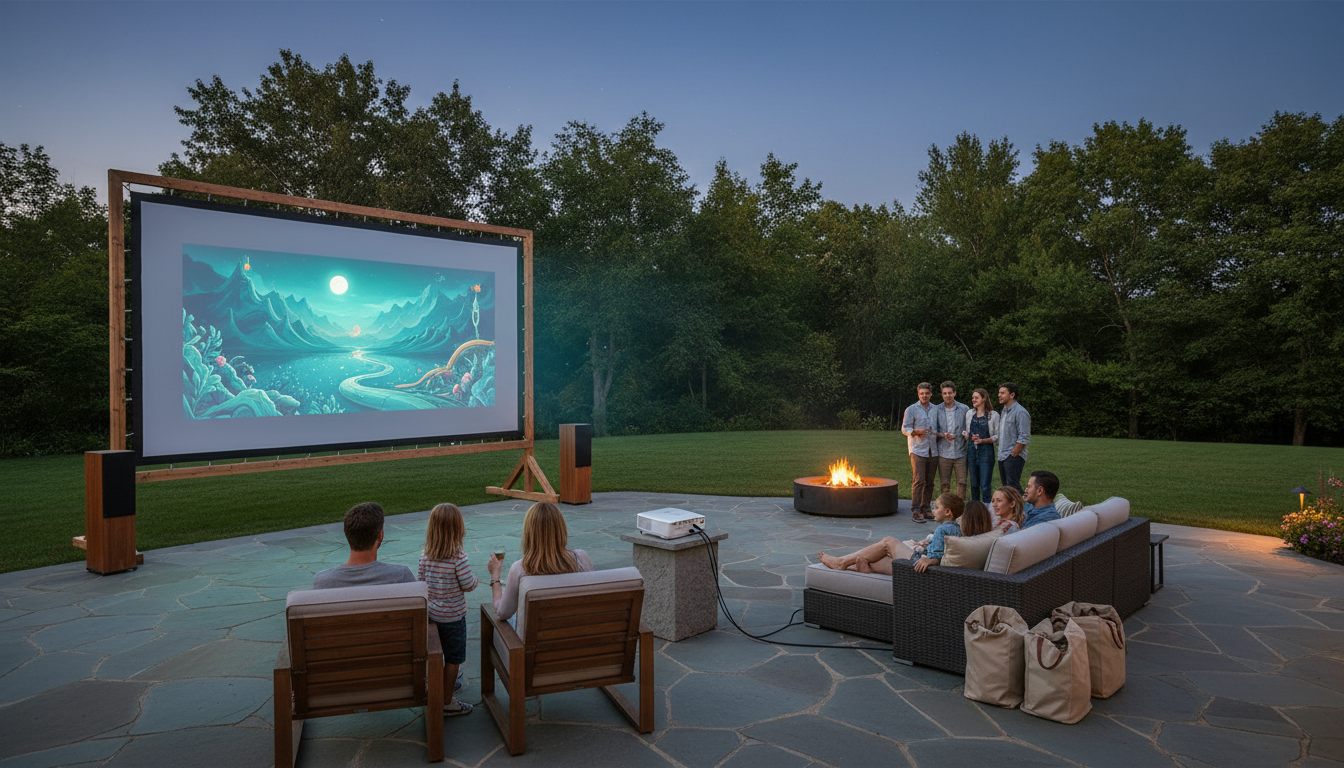
Selecting Large Outdoor Projector Screens: What to Consider for Big Views
Compare large outdoor projector screens with a practical informational SEO brief, decision criteria, FAQs, and publishing checks before you commit.