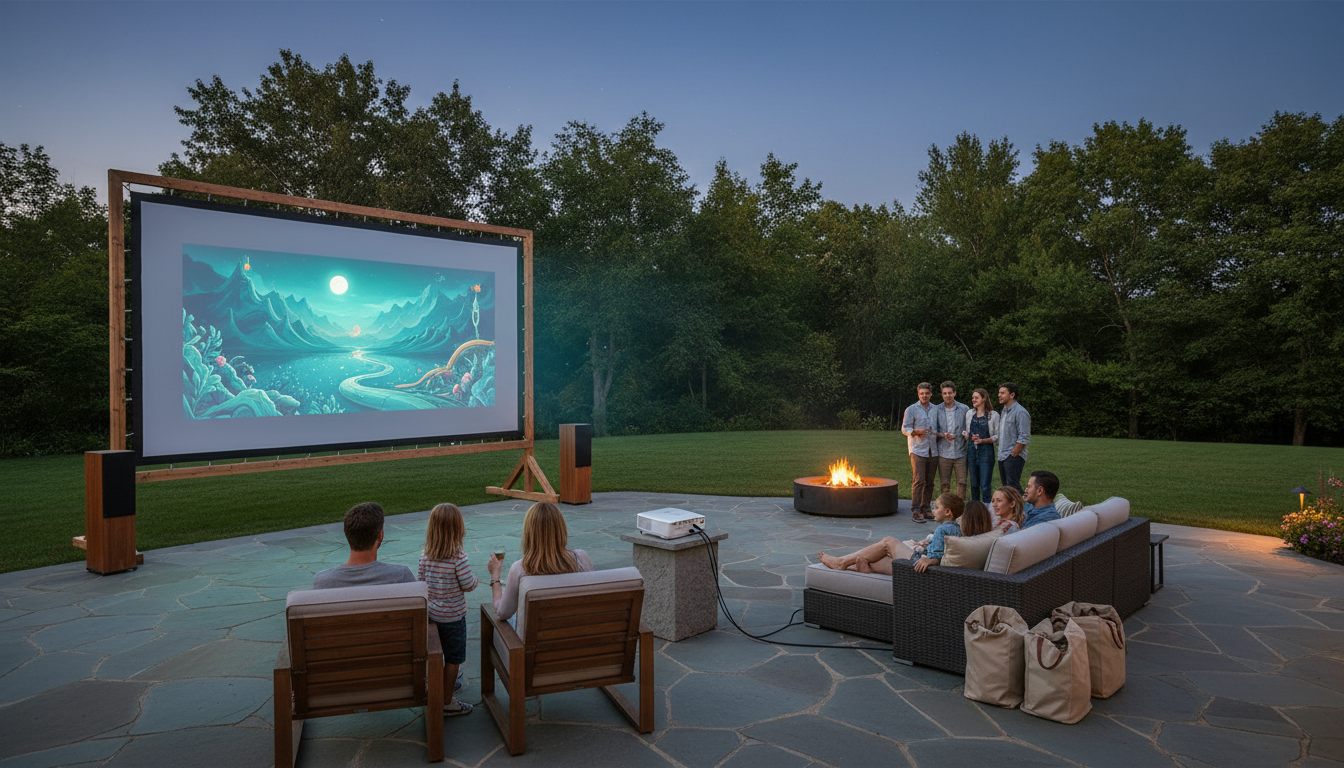
Selecting Large Outdoor Projector Screens: What to Consider for Big Views
Unlocking Expansive Entertainment: Your Guide to Large Outdoor Projector Screens
The allure of a truly expansive outdoor viewing experience transforms ordinary gatherings into memorable events. Imagine cinema-scale movies under the stars, live sports on a grand stage, or impactful presentations that captivate a large audience. This "big view" goes beyond typical indoor setups, offering an immersive environment that smaller screens simply cannot replicate.
However, selecting a large outdoor projector screen introduces specific considerations that differ significantly from choosing a standard-sized or indoor model. The sheer surface area, often exceeding 100 inches, amplifies environmental challenges like wind and weather, while demanding robust stability and material durability. What creates an impressive spectacle can also become a logistical hurdle if not chosen carefully.
This guide will equip you with the knowledge to navigate these unique aspects. You'll learn how to determine the optimal size for your space, understand the critical role of structural stability against the elements, and evaluate screen materials for long-term outdoor performance. Our aim is to empower your decision-making, ensuring you select a large outdoor projector screen that delivers a high-quality, reliable, and satisfying viewing experience for years to come.
What Defines a 'Large' Outdoor Projector Screen for Your Space?
Defining a "large" outdoor projector screen moves beyond a simple diagonal measurement; it's about optimizing the viewing experience for your specific environment and audience. While screens often start being considered "large" at 100 inches diagonal, the ideal size is a dynamic balance influenced by viewing distance, audience size, and practical outdoor considerations.
To determine an appropriate screen size, consider the primary viewing distance. A common guideline suggests that the screen's width should be at least two-thirds of the distance from the screen to the furthest viewer. For instance, if your farthest audience member will be 15 feet away, a screen with a width of at least 10 feet (120 inches) would be suitable. This helps ensure that details are visible and the image feels immersive without requiring viewers to strain or move too close.
It's crucial to differentiate between a screen's diagonal measurement and its actual viewing area. A 120-inch diagonal screen, for example, will have different width and height dimensions depending on its aspect ratio (e.g., 16:9 for widescreen movies versus 4:3 for older content or presentations). Always refer to the actual width and height specifications to accurately gauge the screen's footprint and how it will fill your viewing space.
Common large screen dimensions, such as 100-inch, 120-inch, and even 150-inch diagonals, cater to different group sizes and viewing intentions:
- 100-120 inches: Often suitable for backyard movie nights with a dozen or more people, or for small community events. This range provides a significant upgrade from indoor TVs, offering an impactful viewing experience for a moderate crowd.
- 150 inches and beyond: These sizes are typically reserved for larger public gatherings, significant sporting events, or commercial applications where dozens to hundreds of viewers need a clear line of sight from greater distances.
Finding the balance between "too big" and "just right" in an outdoor setting involves more than just visual comfort. An excessively large screen can overwhelm a smaller viewing area, making it difficult for closer viewers to take in the entire image. More critically, larger screens present increased surface area for wind to catch, significantly impacting stability. This means a larger screen demands a more robust and securely anchored frame system to prevent it from becoming a safety hazard or sustaining damage. Evaluating your available space, typical audience size, and the environmental conditions you expect will guide you to a screen that delivers impact without introducing unnecessary logistical challenges.
Essential Features and Criteria for Large Outdoor Screens
Selecting a large outdoor projector screen demands careful consideration of components that ensure both optimal viewing and long-term durability in an exposed environment. The sheer scale of these screens amplifies the importance of material science, structural integrity, and environmental resilience, making certain features non-negotiable for a successful setup.
-
Screen Material and Optical Properties The canvas for your large outdoor projection must contend with varying light conditions and maintain image integrity across an expansive surface. Key considerations include:
- Gain: This refers to the screen's reflectivity. For large outdoor screens, a moderate gain (typically 1.0 to 1.5) often balances brightness with a wide viewing angle, crucial for larger audiences. Too high a gain can create "hot spots" where the image is overly bright in the center and dimmer at the edges, which is more noticeable on larger surfaces.
- Ambient Light Rejection (ALR): Outdoor environments are rarely completely dark. ALR materials are engineered to absorb ambient light from sources like streetlights or the moon, while reflecting light from the projector. For large screens, effective ALR can significantly improve contrast and color saturation, making the image visible even before full darkness.
- Wrinkle Resistance: Large screen surfaces are highly susceptible to wrinkles and creases, which can severely distort the projected image. Materials designed for outdoor use often incorporate tensioning mechanisms or are inherently more rigid to maintain a flat, smooth surface, even when subjected to wind or temperature changes.
-
Frame Construction and Stability A large outdoor screen, by its nature, presents a significant surface area that can act like a sail in even moderate breezes. Robust frame construction and reliable stability features are paramount to prevent damage and ensure a consistent viewing experience.
- Rigid Frame Materials: Frames constructed from durable, lightweight metals like aluminum are common. The thickness and gauge of the frame components directly correlate with the screen's ability to withstand external forces without bending or flexing.
- Tensioning Systems: For large screens, integrated tensioning systems—whether via snaps, bungee cords, or a fixed-frame design—are critical. These systems pull the screen material taut across the frame, eliminating wrinkles and preventing flapping in the wind.
- Secure Anchoring Points: Given the potential for large screens to be caught by wind and blow over, robust anchoring is essential. This includes wide, stable feet for freestanding models, and provisions for ground stakes, sandbags, or tie-downs to secure the frame firmly to the ground. The larger the screen, the more critical and extensive these anchoring solutions must be.
-
Portability Versus Permanent Installation The intended use case will dictate the necessary balance between ease of setup and long-term resilience.
- Portable Options: For event organizers or homeowners who set up their screen occasionally, features like tool-free assembly, lightweight frame components, and compact storage bags are beneficial. However, portability for large screens often involves a trade-off, as lighter frames may require more diligent anchoring.
- Fixed or Semi-Permanent Installations: If the screen will remain erected for extended periods, greater emphasis can be placed on heavy-duty construction and weather-sealing. These screens might be less convenient to move but offer enhanced stability and durability against continuous exposure.
-
Weather Resistance and Durability Outdoor conditions are dynamic, and a large screen must be built to endure them without degradation.
- UV Protection: Prolonged exposure to sunlight can cause screen materials to fade, yellow, or become brittle. Materials with integrated UV resistance maintain their optical properties and structural integrity over time.
- Moisture and Mildew Resistance: Rain, humidity, and dew are inevitable outdoors. Screen materials should be water-resistant or waterproof to prevent water damage and treated to inhibit mold and mildew growth, which can stain the surface and compromise image quality.
- Temperature Fluctuation Tolerance: Materials must withstand cycles of heating and cooling without stretching excessively, shrinking, or cracking, ensuring the screen remains taut and functional across different seasons.
Navigating the Challenges of Large Outdoor Projector Screens
Deploying a large outdoor projector screen introduces specific challenges that require proactive planning to ensure a successful and durable setup. These screens, by their very nature, are more susceptible to environmental factors and demand careful consideration of stability, longevity, and practical limitations.
-
The Critical Impact of Wind Large screens present a significant surface area that can act like a sail, making them highly vulnerable to wind. The larger the screen, the greater the force the wind can exert, increasing the risk of damage, collapse, or injury.
- Robust Frameworks: Opt for screens with sturdy, rigid frames designed to withstand external forces. Flexible or lightweight frames may not provide adequate support for expansive screen surfaces.
- Secure Anchoring: Proper anchoring is non-negotiable. This involves using heavy-duty stakes, sandbags, water weights, or other tie-down mechanisms to firmly secure the frame to the ground. For larger installations, multiple anchoring points are essential.
- Tensioned Materials: Screen materials that are tensioned tightly within the frame reduce flapping and movement, minimizing wind resistance and potential tearing. Loose screens are more prone to damage and can distort the image.
-
Storage and Maintenance for Longevity The outdoor environment exposes screens to elements that can degrade materials over time. Proper storage and routine maintenance are crucial for preserving screen integrity and extending its lifespan.
- Thorough Cleaning: After each use, gently clean the screen surface according to manufacturer guidelines to remove dirt, dust, and debris. Avoid harsh chemicals or abrasive materials that could damage the viewing surface.
- Complete Drying: Ensure the screen material is completely dry before folding or rolling for storage. Storing a damp screen can lead to mold, mildew, and permanent staining.
- Protected Storage: Store the screen in a cool, dry place away from direct sunlight, extreme temperatures, and pests. Proper folding or rolling techniques, often guided by the manufacturer, prevent creases and wrinkles that can impact image quality.
-
Balancing Screen Size with Practicality and Budget While the appeal of an enormous screen is strong, practical considerations and budgetary constraints often necessitate trade-offs. The desire for a vast image must be weighed against installation realities and overall cost.
- Increased Cost: Larger screens inherently require more material and more robust structural components, leading to a higher purchase price.
- Setup Complexity: As screen size increases, so does the complexity and time required for assembly and disassembly. This impacts portability and ease of use, especially for temporary setups.
- Storage Footprint: A larger screen, even when collapsed or folded, will occupy more storage space, which can be a limiting factor for homeowners or event organizers.
-
Image Quality Degradation in Ambient Light Unlike controlled indoor environments, outdoor settings often contend with significant ambient light, whether from the sun, streetlights, or other sources. This light can severely impact the perceived image quality.
- Washout Effect: Ambient light washes out projected images, reducing contrast, color saturation, and overall vibrancy. Details can become difficult to discern.
- Optimal Viewing Times: For the best image quality, large outdoor screens are typically most effective from dusk into the night when ambient light is minimal. Daytime viewing, even in shade, can be challenging.
- Screen Material Properties: While some screen materials are designed with properties to mitigate ambient light, their effectiveness can vary, and they may not fully overcome direct sunlight.
Tailoring Your Large Outdoor Screen Selection
Choosing a large outdoor projector screen requires aligning its capabilities with your specific viewing ambitions and environmental realities. The ideal screen for a casual family movie night differs significantly from one needed for a public event or a semi-permanent installation. Understanding these distinctions helps prioritize features like stability, material durability, and ease of deployment, ensuring your investment delivers the desired experience.
For a confident selection, consider your primary use case and local conditions:
-
For Casual Backyard Entertainment: If your main goal is occasional movie nights or sporting events for a smaller group, prioritize ease of setup and portability. Screens designed for quick inflation or simple frame assembly can be ideal. While still "large," these might be on the lower end of the spectrum (e.g., 100-120 inches diagonal) and focus on convenience. Moderate stability against light breezes is usually sufficient, often achieved with basic tie-downs or water bags. The screen material should withstand intermittent outdoor exposure without requiring extreme weatherproofing.
-
For Larger Gatherings and Semi-Permanent Setups: When accommodating more than ten viewers or planning for frequent, longer-duration use, robustness and enhanced stability become paramount. Look for screens with rigid frames, tensioned surfaces, or heavy-duty construction designed to withstand more significant outdoor forces. These screens often provide superior image flatness and consistency, crucial for larger audiences and professional presentations. Anchoring systems that can resist higher wind loads are essential, as the expansive surface area of a large screen can act like a sail. Screen materials should feature advanced weather resistance, including UV protection and anti-mildew properties, to ensure longevity under prolonged outdoor exposure.
-
Considering Specific Environmental Factors: Local weather patterns should heavily influence your choice.
- High Winds: This is a critical concern for any large outdoor screen. Screens with robust frames, multiple anchoring points, and tensioning systems are vital in windy areas to prevent damage or collapse. The larger the screen, the greater its vulnerability to wind.
- Rain and Humidity: Opt for materials that are explicitly weather-resistant, waterproof, and designed to resist mold or mildew growth. Frames should be rust-proof.
- Sunlight Exposure: UV-resistant screen surfaces are important to prevent material degradation and color fading over time, especially for screens left outdoors for extended periods.
- Temperature Extremes: Ensure the screen and frame materials can maintain structural integrity and optical performance across your local temperature range.
Before finalizing your selection, ask yourself these guiding questions:
- What is the maximum number of viewers I anticipate, and from what distance will they be watching?
- How frequently will the screen be set up and taken down, and how much storage space is available?
- What are the typical wind speeds, precipitation levels, and sun exposure in my chosen setup location?
- Do I need front projection, rear projection, or a screen capable of both?
- What is my budget for the screen itself, and does it include necessary stability accessories like heavy-duty anchors or weights?
Common Questions About Large Outdoor Projector Screens
Selecting a large outdoor projector screen often brings up specific questions regarding their practical application and longevity. Understanding these common concerns can help refine your choice and ensure a satisfying experience.
-
How large is 'too large' for an outdoor screen? The concept of "too large" depends on several factors, not just the screen's physical dimensions. While screens from 100 to 120 inches are common for large outdoor gatherings, a screen can be considered too large if:
- Viewing Distance: It overwhelms the available viewing area, making the image uncomfortable to watch from typical seating distances. A general guideline suggests the screen width should be at least two-thirds the width of your viewing area.
- Projector Capability: Your projector lacks the brightness or throw distance to properly illuminate such a large surface, resulting in a dim or blurry image.
- Environmental Stability: The screen's surface area becomes unmanageable in typical outdoor conditions, particularly wind, making it difficult to secure safely.
-
What accessories are essential for a stable large outdoor screen setup? Large outdoor screens, by their nature, present a significant surface area that can act like a sail in the wind. Essential accessories are critical for stability and safety:
- Stakes and Guy Lines: Robust ground stakes combined with strong ropes or guy lines are fundamental for anchoring the frame to prevent tipping or shifting.
- Weight Bags: Sandbags or water bags placed at the base of the screen's support legs provide additional ballast, especially in areas prone to gusts.
- Tensioning Systems: For inflatable screens, a reliable air pump and internal tensioning points are crucial to maintain screen rigidity and prevent wrinkles. For framed screens, integrated tensioning mechanisms help keep the screen surface flat.
-
Can large outdoor screens be left outside permanently? While many large outdoor screens are designed with weather-resistant materials, leaving them outside permanently is generally not recommended. Continuous exposure to the elements can accelerate wear and tear, even for durable products.
- UV Degradation: Prolonged sunlight can degrade screen material, affecting image quality over time.
- Moisture and Mildew: Persistent dampness can lead to mold or mildew growth, especially in folds or crevices.
- Wind and Storm Damage: Even well-secured screens can be damaged by severe storms, strong winds, or falling debris.
- For optimal longevity, it's best to set up large outdoor screens for specific events and then disassemble and store them in a dry, protected environment.
-
How do I clean and maintain a large outdoor projector screen? Proper cleaning and maintenance are key to preserving image quality and extending the life of your large outdoor screen:
- Gentle Cleaning: Use a soft, lint-free cloth dampened with mild soap and water. Avoid abrasive cleaners, solvents, or brushes that could damage the screen surface.
- Spot Treatment: Address any spills or dirt promptly to prevent staining.
- Thorough Drying: Ensure the screen is completely dry before folding or storing to prevent mildew growth.
- Careful Storage: Store the screen in its original bag or a protective container in a cool, dry place, away from direct sunlight and extreme temperatures. Avoid creasing the screen material excessively during storage.
Achieving Your Grand Outdoor Vision
Selecting a large outdoor projector screen demands careful consideration beyond mere size. As you embark on creating an expansive outdoor viewing experience, remember that the success of your setup hinges on several critical factors. Determining the appropriate screen dimensions for your audience and viewing distance is paramount, as is ensuring robust stability against wind and other environmental forces. The durability and optical properties of the screen material are equally vital for maintaining image quality and longevity in an outdoor setting.
By thoughtfully evaluating these aspects—size, structural integrity, material resilience, and overall weather resistance—you are well-equipped to navigate the options available. The right choice transforms any outdoor space into a captivating venue, delivering an immersive experience that stands up to the elements. Trust in the insights gained to make an informed decision, ensuring your grand outdoor vision becomes a reliable and spectacular reality.
More in Outdoor Projector Screens
View All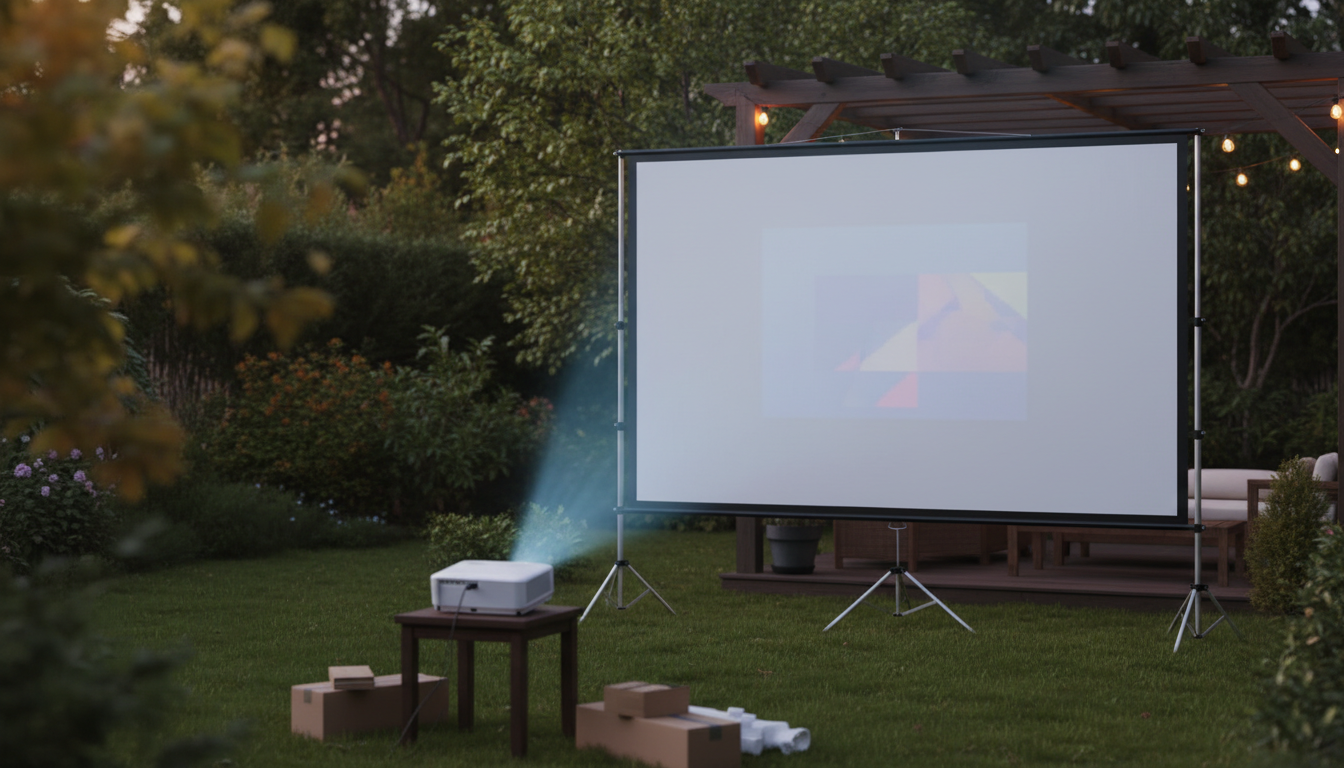
Buying Outdoor Projector Screens on Amazon: What to Look For
Compare outdoor projector screens amazon with a practical informational SEO brief, decision criteria, FAQs, and publishing checks before you commit.
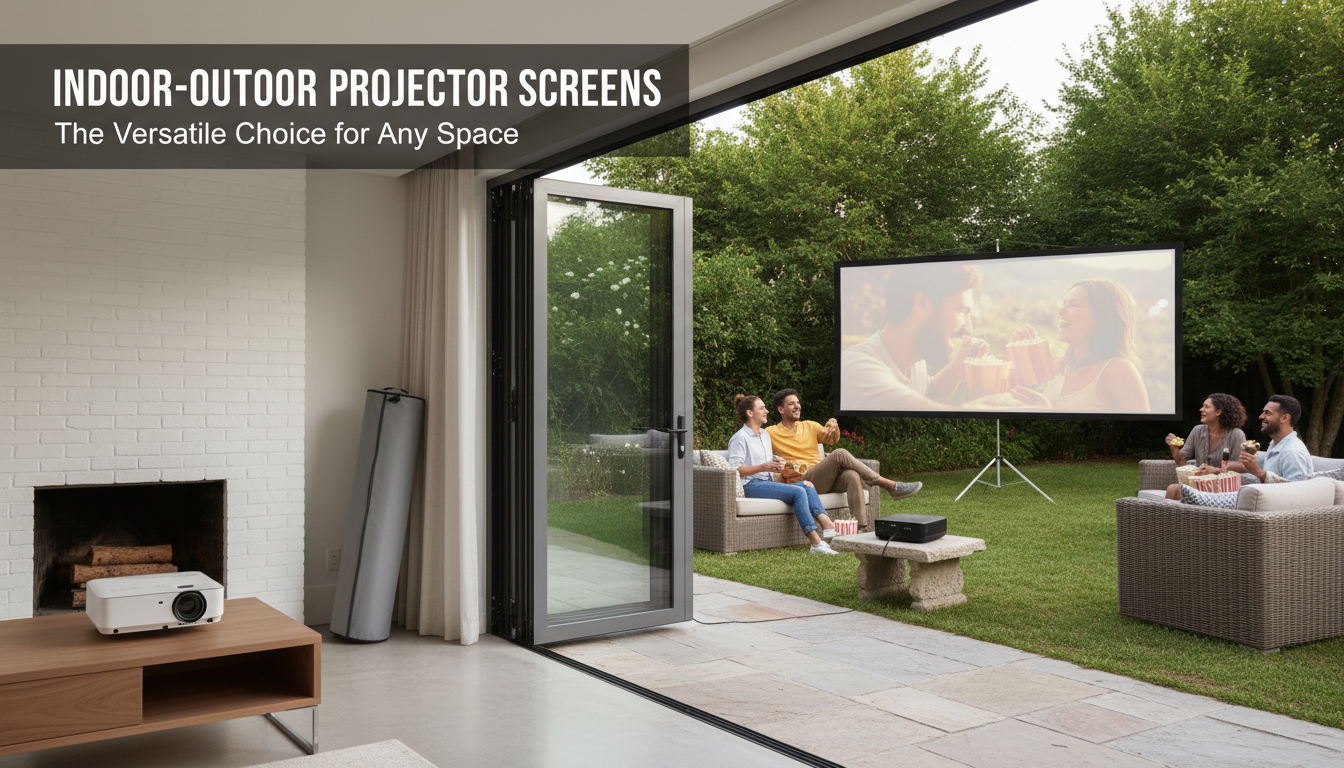
Indoor-Outdoor Projector Screens: The Versatile Choice for Any Space
Compare indoor outdoor projector screens with a practical informational SEO brief, decision criteria, FAQs, and publishing checks before you commit.
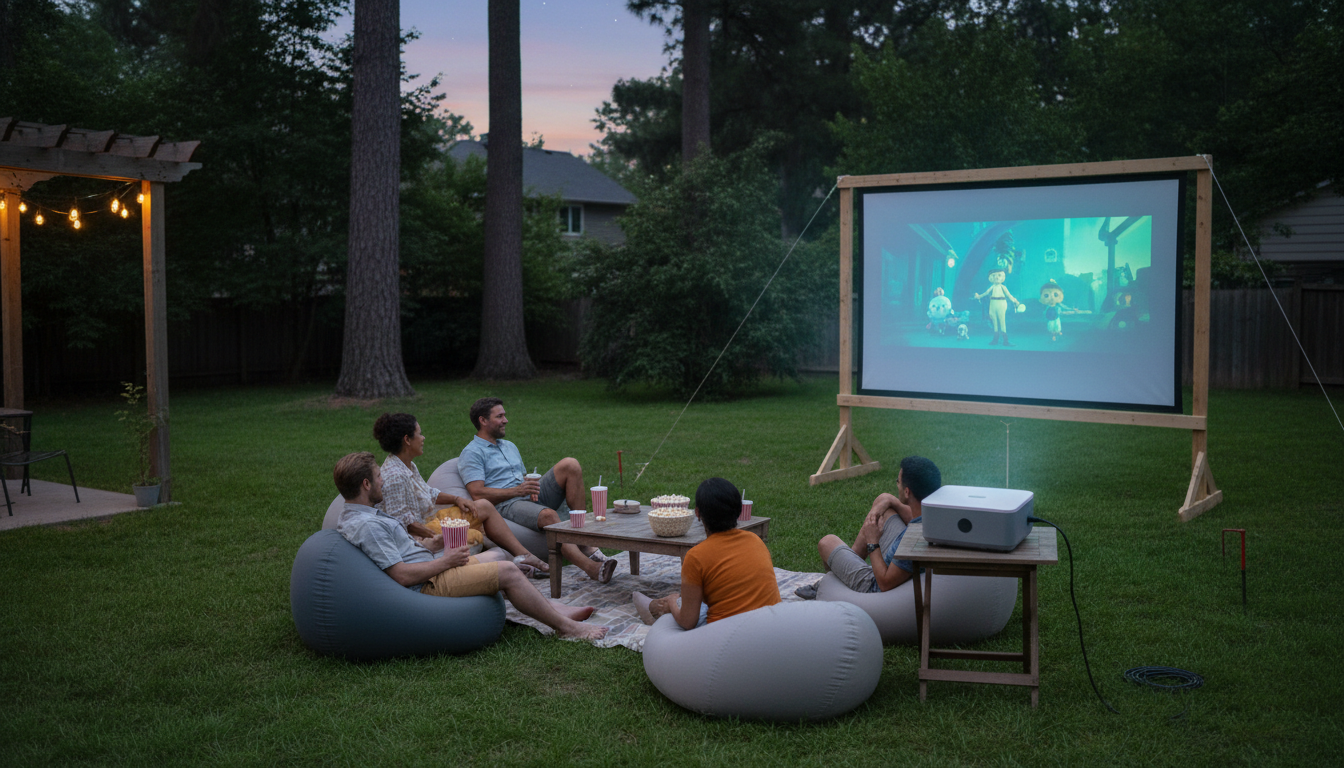
DIY Outdoor Projector Screen: Build Your Own for Backyard Entertainment
Compare diy outdoor projector screens with a practical informational SEO brief, decision criteria, FAQs, and publishing checks before you commit.