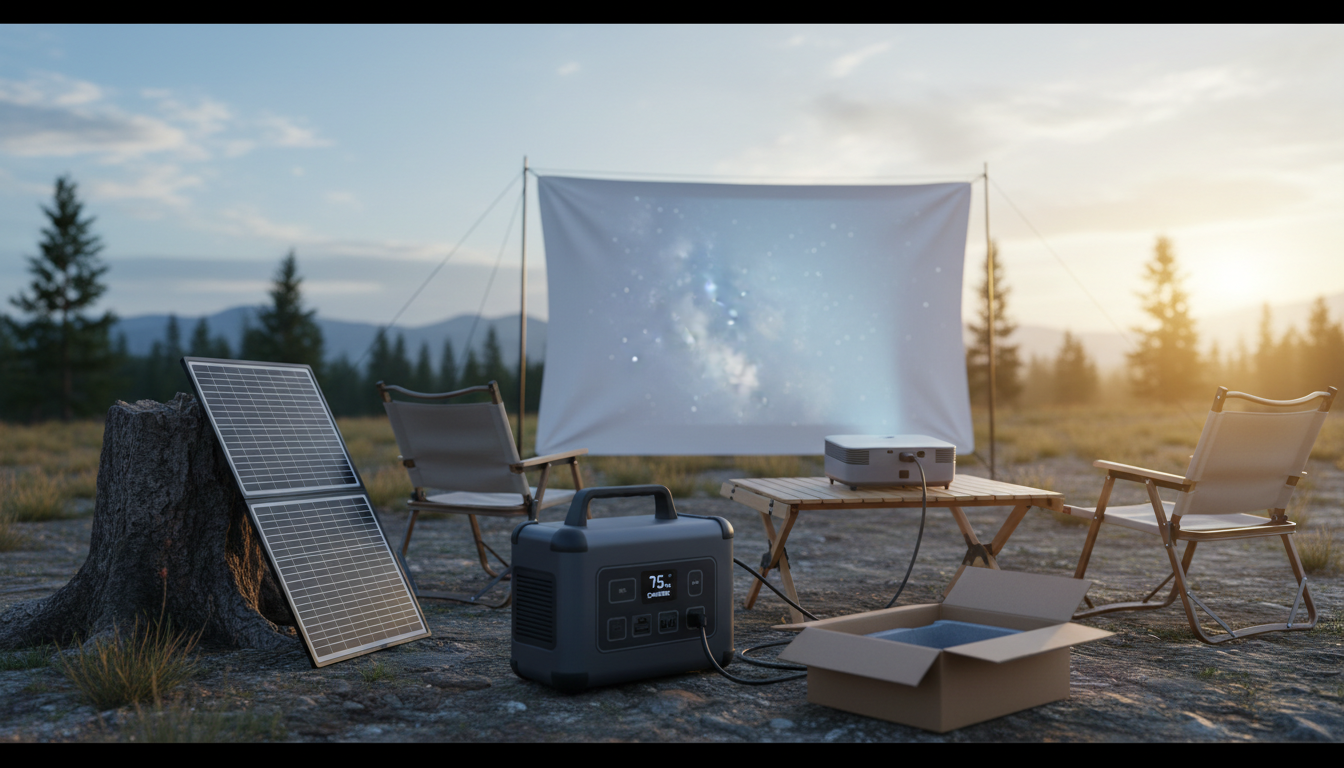
Best Portable Solar Power Stations: Harnessing Renewable Energy for Outdoor Adventures
Powering Your Adventures: Why a Portable Solar Power Station is Essential
A portable solar power station is an integrated unit that stores electrical energy and delivers it to various devices, distinguished by its capability to be recharged primarily via solar panels. These compact systems typically combine a high-capacity battery, an inverter to convert DC power to AC, and multiple output ports (AC, DC, USB) into a single, transportable enclosure. Their ability to harness sunlight for recharging offers independence from traditional power grids.
The appeal of these stations extends across diverse scenarios where grid power is unavailable or unreliable. They provide a versatile solution for keeping essential electronics and appliances running, whether you're far from civilization or facing unexpected outages.
- Outdoor Expeditions: Powering lights, cooking appliances, and communication devices during camping trips, hiking, or RV adventures.
- Emergency Preparedness: Maintaining critical home systems like medical devices, refrigerators, or communication during power outages.
- Remote Work: Ensuring laptops, monitors, and other office equipment remain operational in off-grid locations or during travel.
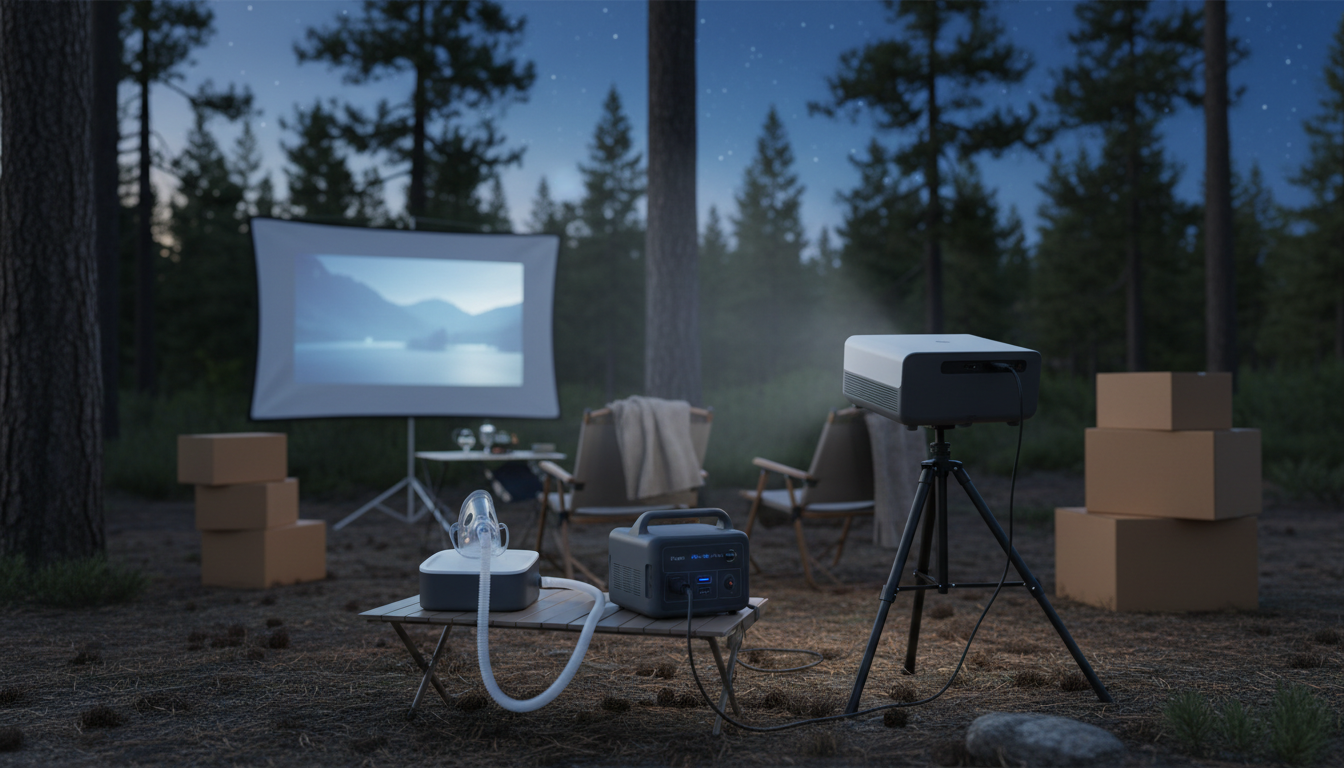
- Creative Setups: Facilitating outdoor entertainment, such as powering projectors for movie nights under the stars, or charging camera equipment in the field.
As the demand for reliable and sustainable energy solutions grows, portable solar power stations offer a practical way to access electricity without relying on noisy generators or limited battery packs. They represent a step towards greater energy independence, utilizing a renewable resource to fuel modern lifestyles wherever they may lead.
Decoding Portable Solar Power Stations: Key Components and How They Work
Portable solar power stations are sophisticated devices that convert, store, and distribute electrical energy, with a specialized design for integrating solar power. Understanding their core components is key to appreciating their functionality and suitability for various outdoor and off-grid applications.
At the heart of a solar-capable power station are several integrated systems:
- Solar Input and Charge Controller: The ability to harness solar energy begins with a dedicated solar input port, typically designed to accept various common connectors like MC4 or Anderson Powerpole. Crucially, an internal charge controller manages the flow of electricity from solar panels to the battery. Maximum Power Point Tracking (MPPT) controllers are generally preferred for their efficiency, optimizing the power harvested from solar panels even under varying light conditions. This contrasts with simpler Pulse Width Modulation (PWM) controllers, which are less efficient in converting available solar energy.
- Battery Technology: The energy storage unit is predominantly one of two lithium-based chemistries. Lithium-ion (Li-ion) batteries offer a high energy density, making them relatively lightweight for their capacity. However, Lithium Iron Phosphate (LiFePO4) batteries are increasingly common due to their superior longevity, often providing thousands of charge cycles compared to hundreds for traditional Li-ion. LiFePO4 also boasts enhanced thermal stability, contributing to greater safety and reliability, especially in fluctuating outdoor temperatures.
- Inverter System: To power standard household electronics, a power station includes an inverter that converts the battery's direct current (DC) into alternating current (AC). For sensitive devices like laptops, medical equipment, or complex camera chargers, a pure sine wave inverter is essential. It produces a clean, stable waveform identical to utility grid power, preventing potential damage or malfunction. In contrast, a modified sine wave inverter, while less expensive, generates a stepped waveform that can be unsuitable for certain electronics, potentially causing buzzing, overheating, or failure.
- Solar Panel Integration: Portable solar power stations can be purchased with bundled solar panels or designed to connect with separate, aftermarket panels. Bundled options offer convenience and guaranteed compatibility. When selecting separate panels, consider their wattage, which dictates charging speed, and ensure their voltage and current specifications align with the power station's input limits. Connection types must also match, with MC4 being a common standard for robust, weather-resistant outdoor use.
Selecting the Right Power Station: What to Look For
Choosing a portable solar power station for outdoor adventures, emergency preparedness, or remote work requires evaluating several key characteristics. Focusing on these criteria helps ensure the station meets specific power demands, can withstand varied conditions, and offers the versatility needed for your intended use.
-
Capacity (Watt-hours / Wh) This metric indicates the total amount of energy the battery can store. A higher Wh rating means more power available for longer durations. To estimate how long a device can run, use the formula:
Runtime (hours) = Battery Wh ÷ Device W. For example, a 500 Wh station powering a 50 W device could theoretically run it for 10 hours. Accurately assessing your total power needs for a typical outing or emergency scenario is crucial for selecting an appropriate capacity. -
Output Power (Watts / W & Surge W) Output power specifies the maximum continuous wattage the station can deliver to connected devices. It's important to consider both the continuous output (W) and the peak or surge output (Surge W), which is a brief spike in power for starting motors or compressors. Ensure the station's continuous output exceeds the combined wattage of all devices you plan to run simultaneously, and its surge capability can handle any high-draw appliances during startup. The inverter's quality and capacity directly influence this.
-
Portability & Durability For outdoor use, the physical attributes of the power station are as important as its electrical capabilities.
- Size and Weight: A lighter, more compact unit is easier to transport for hiking or packing into a vehicle.
- Build Quality: Look for robust construction, such as a hard plastic shell, to protect against impacts. Features like rubber feet can prevent sliding and absorb minor shocks, while protective caps over ports help guard against dust and moisture.
-
Charging Options & Speed The flexibility and speed of recharging are critical, especially when relying on solar.
- Solar Input Efficiency: This is paramount for a "solar" power station. Evaluate the maximum wattage of solar input it can accept and the efficiency of its built-in charge controller.
- AC Wall Charging: For rapid charging before an adventure or during an emergency, fast AC charging is beneficial.
- Car Charger & Generator Compatibility: These offer alternative charging methods when solar is unavailable or insufficient.
-
Output Ports A diverse array of output ports ensures compatibility with all your devices.
- AC Outlets: Standard household plugs for larger electronics.
- USB-A Ports: For charging smaller devices like phones and headlamps.
- USB-C (Power Delivery / PD) Ports: Essential for rapidly charging modern laptops, tablets, and other PD-compatible devices.
- DC Ports: Often used for car fridges, CPAP machines, or other 12V appliances. Consider both the quantity and type of ports to match your gear.
-
Expandability Some power stations offer the option to connect external battery packs, significantly increasing their total capacity. This feature provides flexibility, allowing you to scale up your power reserves for longer trips or more demanding applications without needing to purchase an entirely new, larger unit. For example, certain models allow adding multiple expansion batteries to extend watt-hours from a base unit.
Beyond the Specs: Understanding Trade-offs and Common Challenges
While portable solar power stations offer significant advantages for off-grid power, recognizing their inherent limitations and potential challenges is crucial for making an informed purchase. Real-world usage often involves compromises that might not be immediately apparent from product specifications alone.
One fundamental compromise revolves around the Capacity-Portability-Cost Triangle. You typically cannot maximize all three simultaneously:
- High Capacity (more Watt-hours) generally means a larger, heavier unit, which impacts portability and increases cost.
- High Portability (lighter, smaller) often translates to lower battery capacity and fewer output options, reducing its ability to power demanding devices for extended periods.
- Lower Cost usually means a compromise on capacity, durability, or advanced features, potentially sacrificing long-term value or specific use cases. Choosing a power station requires prioritizing which of these factors is most critical for your intended outdoor adventures.
Another reality is Solar Charging Speed Limitations. While the ability to recharge from the sun is a core benefit, it's rarely as fast as wall charging.
- Panel Wattage: Higher wattage solar panels will charge faster, but they are often larger, heavier, and more expensive.
- Sunlight Conditions: Direct, unobstructed sunlight is paramount. Cloud cover, haze, or even partial shade can significantly reduce charging efficiency, sometimes to zero.
- Panel Orientation: Proper angling towards the sun and frequent adjustments throughout the day are necessary to optimize input.
- Weather: Extreme temperatures, wind, and rain can impact panel performance and the overall charging process. Expect solar charging to be a slower, more deliberate process than rapid AC charging.
Over time, all batteries experience Battery Degradation. Portable power station batteries, typically lithium-ion, have a finite lifespan measured in "cycle counts."
- Cycle Count: This refers to the number of full charge-discharge cycles a battery can undergo before its capacity significantly diminishes (e.g., to 80% of its original capacity).
- Maximizing Lifespan: To prolong battery health, avoid consistently draining the battery to 0% or charging it to 100% for long-term storage. Storing the battery at a moderate charge level (e.g., 50-80%) and avoiding extreme temperatures can help extend its useful life.
A critical operational risk is Inverter Overload. The inverter converts the battery's DC power to AC power for standard household plugs.
- What it is: Occurs when the total continuous wattage demand of connected AC devices exceeds the power station's rated continuous output.
- Consequences: The power station will typically shut down automatically to protect its internal components and connected devices. Repeated overloads can stress the system.
- Prevention: Always check the wattage requirements of your devices and ensure their combined draw does not surpass the power station's continuous output rating.
Environmental Factors play a significant role in performance and durability.
- Temperature Extremes: Batteries perform less efficiently in very cold conditions, leading to reduced capacity and slower charging. High temperatures can accelerate battery degradation.
- Dust and Debris: While some units offer basic protection, many consumer-grade power stations are not fully sealed, making them vulnerable to dust ingress in sandy or dirty environments.
- Water Resistance: Most portable power stations have limited or no water resistance. Exposure to rain, splashes, or high humidity can cause damage, making an IP rating a crucial consideration for outdoor use.
Finally, a common pitfall is Misunderstanding Power Consumption. Users often overestimate how long a power station can run their devices.
- Accurate Calculation: To avoid disappointment, accurately calculate your devices' power needs. The formula
Runtime (hours) = Battery Capacity (Wh) ÷ Device Wattage (W)provides a realistic estimate. - Phantom Drain: Some devices, even when "off" or in standby, can draw a small amount of power (vampire loads), and the power station's inverter itself consumes power when active, further reducing effective runtime.
Finding Your Perfect Match: Tailoring a Power Station to Your Lifestyle
Selecting the optimal portable solar power station hinges on aligning its capabilities with your specific activities and power demands. Every user scenario presents a unique set of priorities regarding capacity, output, portability, and solar charging efficiency. Understanding these distinctions is crucial for a reliable power solution in the field.
-
For Casual Campers & Day Trippers:
- Needs: Recharging smartphones, headlamps, portable speakers, and small cameras over a short trip.
- Considerations: Prioritize lightweight and compact designs for easy transport in a backpack. A moderate capacity, typically between 200-500 Watt-hours (Wh), is often sufficient. Look for multiple USB ports and perhaps one AC outlet for versatility.
- Trade-offs: These units will have limited power for larger appliances and shorter runtimes, but their portability is unmatched.
-
For Extended Off-Grid & RV Users:
- Needs: Sustained power for RV refrigerators, lighting, water pumps, and multiple personal devices for days or weeks away from the grid.
- Considerations: High capacity (1000 Wh or more) is essential, along with a robust AC inverter (1000W+ continuous output) to handle common RV appliances. Look for models with multiple output types, expandability options for additional batteries, and efficient solar input capabilities to maximize recharge cycles.
- Trade-offs: Expect larger, heavier units and a higher initial investment. The focus shifts from ultimate portability to sustained power delivery and resilience.
-
For Emergency Home Backup:
- Needs: Keeping critical home appliances operational during power outages, such as a refrigerator, medical devices (like CPAP machines), communication devices, and essential lighting.
- Considerations: Emphasize very high capacity (2000 Wh+) and high output wattage (2000W+ continuous AC output) to support essential household items. Multiple AC outlets are a must. While still portable, the primary concern is robust power delivery rather than easy backpack transport.
- Trade-offs: These units are significantly heavier and less mobile, designed more for stationary backup than frequent relocation.
-
For Remote Workers & Digital Nomads:
- Needs: Reliable, consistent power for laptops, monitors, smartphones, and Wi-Fi hotspots for extended work sessions in varied locations.
- Considerations: Balance portability with sufficient capacity (500-1500 Wh) to power an office setup for a full workday. Look for multiple USB-C Power Delivery (PD) ports for fast laptop charging and at least one pure sine wave AC outlet for sensitive electronics. Efficient solar charging is key for maintaining productivity in off-grid workspaces.
- Trade-offs: May not power high-draw kitchen appliances, but provides ample energy for digital tools without excessive bulk.
-
Specific Device Needs (CPAP machines, Mini-fridges, High-wattage tools):
- Needs: Devices with particular power profiles, such as continuous low-wattage draw (CPAP), sustained power with surge demands (mini-fridges), or high instantaneous power (power tools).
- Considerations:
- CPAP Machines: Require a pure sine wave AC inverter and sufficient capacity (e.g., 300-700 Wh for 1-2 nights, depending on settings) to ensure uninterrupted operation. Check the device's wattage and calculate runtime.
- Mini-fridges: Demand a power station with a robust inverter capable of handling the compressor's surge wattage upon startup, in addition to continuous running wattage. Capacity (500-1000 Wh+) will determine how long it can run.
- High-wattage Tools: For items like drills or blenders, verify the power station's continuous and peak (surge) AC output wattage matches or exceeds the tool's requirements.
- Trade-offs: Powering these specific devices often necessitates a larger, more capable (and therefore heavier/costlier) power station, as their demands can quickly deplete smaller units or exceed their output limits.
Your Questions Answered: Portable Solar Power Station FAQs
Navigating the world of portable solar power stations often brings up practical questions about their use and capabilities. Understanding these common concerns can help ensure you select and utilize a system that reliably supports your outdoor adventures, emergency preparedness, or remote work needs.
Portable power station batteries, typically lithium-ion, are rated for a specific number of charge cycles before their capacity significantly degrades, often around 80% of original capacity. This lifespan can range from several hundred to over a thousand cycles depending on the battery chemistry and usage patterns. When not in use, these stations generally retain their charge well due to low self-discharge rates, though some minimal power loss over extended storage periods is normal. For optimal longevity, manufacturers often recommend storing them partially charged, rather than fully depleted or at 100%.
Yes, portable power stations are generally safe for indoor use. Unlike gas-powered generators, they do not produce harmful emissions like carbon monoxide, making them suitable for enclosed spaces. It is still advisable to ensure adequate ventilation to prevent overheating, especially during heavy use or charging, and to keep them away from combustible materials as a general safety precaution.
The time it takes to fully charge a power station using solar panels varies significantly based on several factors. These include the power station's battery capacity (measured in Watt-hours), the total wattage of the connected solar panels, the intensity and angle of sunlight, and the efficiency of the charge controller. Under ideal, direct sunlight conditions, a smaller station might fully charge in a few hours, while larger capacity units with lower wattage panels could take a full day or longer. Users sometimes encounter slower charging speeds than anticipated due to non-ideal conditions or mismatched panel output.
Most portable solar power stations are designed to be safe with a wide range of electronics. They typically feature multiple output types, including AC outlets (often with pure sine wave inverters for sensitive electronics), DC ports, and USB ports. However, it's crucial to ensure that the power station's output capacity (wattage) meets or exceeds the power draw of the connected device to prevent inverter overload. Using devices that demand more power than the station can supply can lead to safety shutdowns or potential damage to the power station.
Maintaining a portable solar power station primarily involves proper storage and care. This includes keeping the unit clean, especially the ports and vents, and storing it in a cool, dry place away from extreme temperatures. Regularly checking for physical damage, particularly if used in rugged outdoor environments, is also important. For battery health, it's often recommended to avoid prolonged storage at very low or very high states of charge. Periodically cycling the battery (fully discharging and then recharging) can help calibrate the battery management system and ensure accurate capacity readings.
Empowering Your Journey with Sustainable Energy
Selecting the appropriate portable solar power station is pivotal for unlocking reliable, sustainable power during your outdoor adventures, ensuring preparedness, and supporting remote work. These devices offer a tangible path to energy independence, transforming how you interact with the environment and manage your power needs away from the grid. The value lies not just in the electricity they provide, but in the freedom and assurance that comes with a self-sufficient power source.
Your journey to finding the optimal portable solar power station begins and ends with your specific requirements. Prioritize the criteria discussed, such as capacity, output, charging efficiency, and portability, against your intended use cases. Whether you need to power essential camp lighting, critical communication devices during an emergency, or a full remote workstation, matching the station's capabilities to your demands is crucial for an optimal and satisfying purchase. An informed decision ensures that your investment truly serves as a dependable companion for your endeavors.
Embracing portable solar power stations represents more than just acquiring a gadget; it's a commitment to harnessing renewable energy for greater independence and preparedness. It empowers you to venture further, stay connected, and maintain essential services, all while leveraging the sun's clean energy. This choice contributes to a more resilient and environmentally conscious approach to powering your life, wherever it may take you.

More in Portable Power Stations
View All
How Long Do Portable Power Stations Last? Understanding Battery Lifespan and Maintenance
Compare how long do portable power stations last with a practical informational SEO brief, decision criteria, FAQs, and publishing checks before you commit
How Do Portable Power Stations Work? A Beginner's Guide to Off-Grid Energy
Compare how do portable power stations work with a practical informational SEO brief, decision criteria, FAQs, and publishing checks before you commit.
Best Portable Power Stations for CPAP: Ensuring Uninterrupted Sleep On the Go
Compare best portable power stations for cpap with a practical commercial SEO brief, decision criteria, FAQs, and publishing checks before you commit.