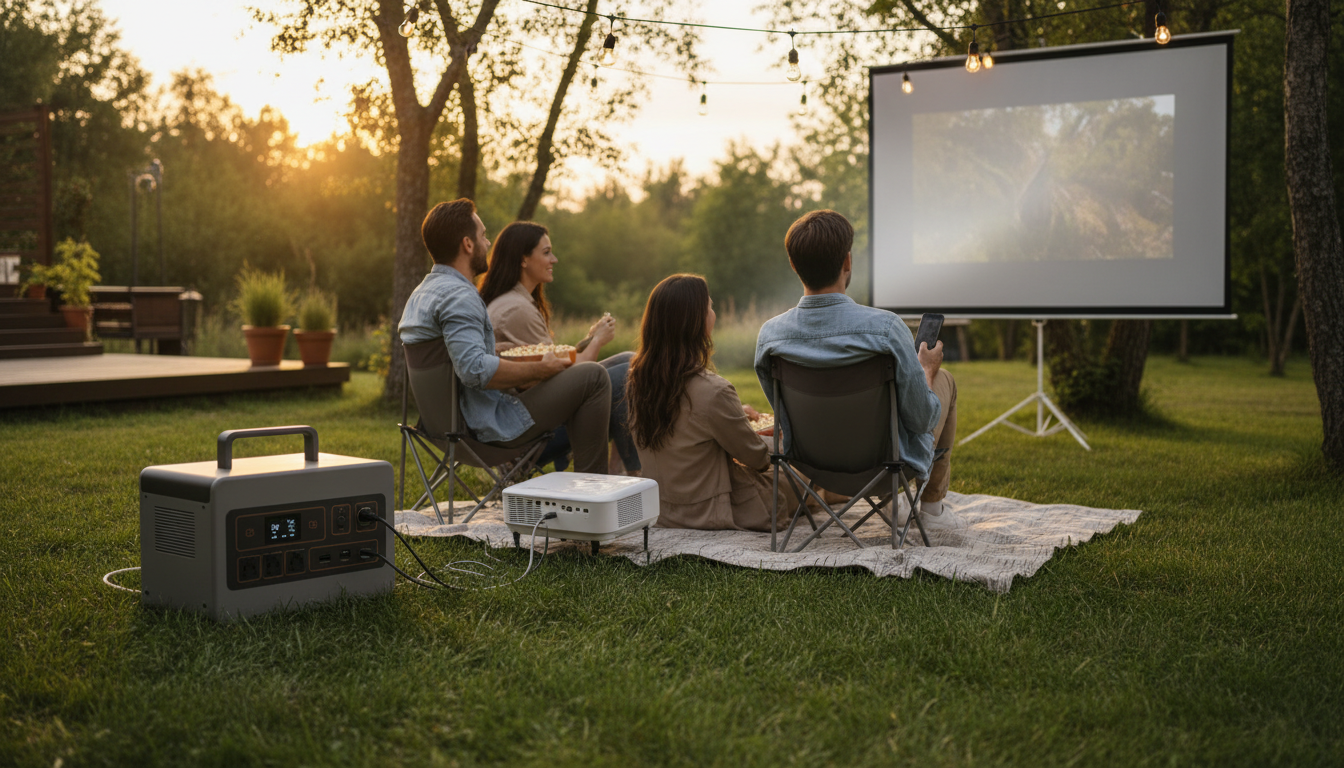
Anker Portable Power Stations: Features, Performance, and Value for Your Devices
Powering Your Adventures: Why Consider Anker Portable Power Stations?
Anker has established itself as a recognized name in portable charging technology, extending its expertise to a diverse range of portable power stations. As reliance on electronic devices grows, so does the demand for reliable, accessible power, whether away from traditional outlets or during unforeseen interruptions.
Portable power stations have become essential tools for various scenarios:
- Outdoor Activities: Powering lights, mini-fridges, or charging cameras during camping trips and outdoor adventures.
- Emergency Preparedness: Maintaining essential communication and medical devices during power outages.
- Remote Work & Hobbies: Supporting laptops, outdoor projectors, or tools in locations without grid access.
- Home Backup: Providing temporary power for critical appliances during short-term blackouts.
This guide aims to equip potential buyers with a thorough understanding of Anker's portable power station lineup. By detailing their features, performance characteristics, and overall value proposition, you can confidently assess whether an Anker model aligns with your specific power needs, intended applications, and budget, ensuring an informed purchase decision.
Exploring Anker's Portable Power Station Series: From Compact to High-Capacity
Anker categorizes its portable power stations into distinct series, each designed to address varying power demands and use cases. This segmentation allows potential buyers to identify models that align with their specific requirements, whether for light, portable needs or extensive, high-capacity applications. Understanding the general characteristics of these series is crucial for an informed decision.
Anker's offerings typically span across two primary categories:
-
Compact and Mid-Range Portability (e.g., Solix C-series): These models are engineered for users prioritizing portability and moderate power output. They generally feature capacities suitable for charging smaller electronics, running light appliances, or providing power during short outdoor excursions.
- Capacity & Output: Often range from a few hundred Watt-hours (Wh) to around 1000 Wh, with AC output capacities typically supporting devices up to 1000-1800 Watts.
- Typical Applications: Ideal for camping, tailgating, road trips, powering drones, cameras, laptops, and small medical devices. The Anker Solix C1000, for instance, is noted for its balance of capacity and output in a relatively portable form factor.
- Key Characteristics: Emphasize fast charging capabilities and a design that facilitates easy transport.
-
High-Capacity and Home Backup (e.g., Solix F-series): This series is built for more substantial power needs, including extended off-grid living, emergency home backup, or powering heavy-duty tools and appliances. These units offer significantly larger capacities and higher output capabilities.
- Capacity & Output: Capacities can start from over 1000 Wh and extend to several thousand Wh, with AC output often reaching 2000 Watts or more, sometimes supporting 240V power for larger appliances. Models like the Anker Solix F3000 and F3800 exemplify this range, offering capacities of 3072 Wh and beyond, with high wattage output and expansion battery options to further increase total available energy.
- Typical Applications: Suitable for powering refrigerators, essential home circuits during outages, RVs, construction sites, and prolonged outdoor events where consistent, high-demand power is necessary.
- Key Characteristics: Often feature robust construction, multiple output ports, and the ability to integrate with solar panels for recharging or connect to home electrical systems. While powerful, these units are generally heavier and less portable than their compact counterparts.
The distinction between these series largely comes down to the balance between Watt-hour (Wh) capacity, which indicates how much energy the unit can store, and Watt (W) output, which dictates the power draw it can sustain. Buyers should consider their specific devices and anticipated runtimes to determine which series, and subsequently which model, offers the appropriate blend of capacity and power delivery for their intended use.
Essential Features and Performance Metrics of Anker Power Stations
Understanding the core technical specifications and features of Anker portable power stations is fundamental to making an informed purchase decision. These metrics directly influence a unit's utility, longevity, and suitability for various power demands. Evaluating these aspects provides clarity on a power station's capabilities and potential limitations.
- Battery Capacity (Watt-hours): Represented as Watt-hours (Wh), battery capacity indicates the total energy a power station can store. A higher Wh rating translates directly to longer run times for connected devices. For example, a 500Wh power station could theoretically power a 100W device for 5 hours. Matching capacity to your expected usage is crucial; light charging needs require less capacity than powering multiple appliances during an extended outage.
- Output Power (Watts): Measured in Watts (W), output power determines which devices a power station can operate simultaneously and how quickly. This metric is critical for AC outlets, but also applies to USB and DC ports.
- AC Output: Specifies the maximum continuous wattage for household appliances. High-wattage devices like microwaves or power tools require a higher AC output rating.
- USB-C (with USB-PD): Modern Anker units often include USB-C ports with Power Delivery (PD) capabilities, enabling rapid charging for laptops, smartphones, and other compatible devices.
- USB-A & DC Ports: Provide standard charging for smaller electronics and can power 12V DC appliances, respectively.
- Battery Chemistry: Anker frequently utilizes Lithium Iron Phosphate (LiFePO4) battery chemistry in its portable power stations. This technology offers several advantages:
- Extended Lifespan: LiFePO4 batteries typically endure significantly more charge cycles compared to older lithium-ion chemistries, contributing to a longer product life.
- Enhanced Safety: They are known for greater thermal stability, reducing risks associated with overheating.
- Consistent Performance: Maintain a more stable voltage output throughout their discharge cycle.
- Recharging Speed and Methods: The time it takes to recharge a power station varies based on its capacity and the charging method employed. Anker power stations typically support multiple input options:
- AC Wall Outlet: Offers the fastest standard recharging from a household electrical supply.
- Solar Panels: Allows for off-grid recharging, with speeds dependent on panel wattage, sunlight intensity, and weather conditions.
- Car Charger: Provides a convenient option for recharging while traveling.
- Generator: Some larger units can be recharged via a compatible generator.
- Port Selection and Connectivity: A versatile array of ports ensures compatibility with a wide range of devices. Consider the number and type of outlets you'll need, including:
- Multiple AC outlets for standard electronics.
- Several USB-A and USB-C ports, ideally with USB-PD for fast charging.
- 12V DC car-style outlets for specific automotive or camping accessories.
- Some larger units may also include RV-specific outlets.
- Safety Features and Management Systems (BMS): A robust Battery Management System (BMS) is integral to the safe and efficient operation of any portable power station. Anker units incorporate BMS to monitor and protect the battery from:
- Overcharging and over-discharging.
- Over-current and short circuits.
- Extreme temperatures.
- Voltage irregularities. This system safeguards both the power station and connected devices.
- Expandability Options: Certain Anker power station models offer the ability to expand their total battery capacity by connecting external expansion batteries. This feature is particularly valuable for users who may need increased power storage for extended outages or larger power demands without purchasing an entirely new base unit. This flexibility allows for scaling power solutions as needs evolve.
Anker's Edge: Innovation, Build Quality, and Brand Value
Anker has cultivated a strong reputation in the portable electronics market, leveraging its established presence in charging accessories to build a line of portable power stations. This brand recognition often translates into a perception of reliability, a critical factor for devices intended to provide power during emergencies or off-grid scenarios. Buyers considering Anker are often looking for a blend of proven performance and modern features.
The brand frequently incorporates innovative technologies into its power stations. This includes:
- Advanced Charging Speeds: Anker often prioritizes rapid recharging capabilities for its power stations, aiming to minimize downtime between uses. This can be a significant advantage for users who need to quickly replenish their unit's charge, whether from a wall outlet or solar panels.
- Smart Integration: Many Anker models feature smart app integration, allowing users to monitor battery status, control output ports, and manage settings remotely. This enhances user convenience and provides detailed insights into power consumption.
In terms of build and design, Anker portable power stations typically feature a construction designed for durability. The aesthetic often balances functional design with user-friendly interfaces, including clear displays and accessible ports. While larger capacity units naturally have more heft, the design aims to optimize the balance between robust housing and practical portability for their respective power outputs.
Customer support is another aspect where Anker aims to differentiate itself. For a significant investment like a portable power station, reliable post-purchase assistance is crucial. Anker's technical support has been noted for its responsiveness and willingness to assist, which can provide peace of mind for buyers. While specific warranty terms vary by product and region, the availability of accessible support contributes to the overall value proposition.
Anker's approach addresses several common buyer problems in the portable power station market:
- Reliability Concerns: By extending its reputation for dependable electronics, Anker aims to instill confidence in the longevity and consistent performance of its power stations.
- Ease of Use: Features like intuitive interfaces and app control simplify operation, making these units accessible even for less tech-savvy users.
- Post-Purchase Support: Responsive customer service helps mitigate potential issues, reducing buyer frustration if problems arise.
However, buyers should also consider potential trade-offs, such as the physical size and weight of higher-capacity units, or operational noise levels that some models might exhibit, depending on their specific application and environment. Evaluating these qualitative aspects alongside technical specifications helps form a comprehensive understanding of Anker's value.
Navigating the Trade-offs: What to Consider Before Buying Anker
While Anker portable power stations offer a compelling blend of technology and convenience, a thorough evaluation includes understanding potential limitations and specific design choices. Being aware of these aspects can help align expectations with actual product performance and ensure the chosen model truly fits your needs.
-
Weight and Portability Challenges for Higher-Capacity Units: As capacity increases, so does the physical size and weight of portable power stations. While Anker aims for efficient designs, higher-capacity units, particularly those designed for extensive use, can become substantial. For instance, models intended for whole-home backup or prolonged off-grid power may be challenging to move frequently by one person, despite often featuring integrated wheels or handles. This means assessing your primary use case – whether it's car camping or daily job site use – is critical for judging the practical portability of larger units.
-
Potential Noise Levels from Cooling Fans: Like many high-power electronic devices, Anker portable power stations incorporate cooling fans to manage internal temperatures, especially during high-output operation or rapid charging. While often designed for efficiency, these fans can produce audible noise. For some models, particularly when drawing significant power or recharging quickly, this fan noise might be noticeable, which could be a consideration for indoor use, quiet environments, or overnight operation in a tent or RV.
-
Specific Design and Connectivity Nuances: Certain Anker models may feature design choices that warrant attention based on your intended application:
- Expansion Battery Cable Design: For units expandable with external batteries, the design of the connection cables might be a factor. Some designs may use straight plugs that extend outward, potentially requiring more space or presenting a snag hazard compared to 90-degree alternatives.
- Limited 120V Receptacles in UPS Mode: When operating in an Uninterruptible Power Supply (UPS) mode, some Anker power stations might limit the number of active 120V receptacles. This means not all outlets may provide power during a grid outage, which is important to verify if you plan to power multiple critical AC devices simultaneously in a backup scenario.
-
Price Point Considerations Relative to Features and Capacity: Anker portable power stations are generally positioned as premium products, reflecting their advanced battery technology (often LiFePO4), fast charging capabilities, and smart features like app control. This can translate to a higher initial investment compared to some basic market alternatives with similar raw capacity. Buyers should weigh the cost against the specific features, build quality, and expected lifespan, considering whether the added functionalities and brand reputation justify the price for their particular use case.
-
Comparison with General Market Alternatives: When considering an Anker unit, it's beneficial to compare its overall value proposition against the broader market. While Anker excels in areas like charging speed, battery longevity, and user-friendly interfaces, other brands may offer different specializations, such as ruggedization for extreme outdoor conditions, a wider array of specialized output ports, or a lower entry price point for basic functionality. Evaluating Anker's specific feature set—such as its proprietary charging technology or ecosystem integration—against your priority list helps determine if it provides the optimal balance of performance, durability, and cost for your individual requirements.
Making Your Choice: Matching Anker Power Stations to Your Specific Needs
Selecting the ideal Anker portable power station involves aligning its capabilities with your specific power requirements and intended applications. This process moves beyond general specifications to consider how a unit will integrate into your lifestyle, whether for occasional use or critical backup. Understanding the interplay between capacity, output, portability, and potential for growth is key to a confident purchase.
To effectively narrow down Anker's diverse offerings, consider the following factors:
- Assess Your Device Power Demands: Begin by listing all the devices you intend to power. For each, identify its typical wattage (W) and how many hours you expect to run it. This forms the basis for calculating your total energy need. For instance, a laptop might draw 60W, while a mini-fridge could draw 40W continuously.
- Determine Required Output (W) and Capacity (Wh):
- Output (Watts): This specifies the maximum instantaneous power a station can deliver. If you plan to run a 1500W appliance, your Anker unit must have an AC output rating of at least 1500W, ideally with some headroom.
- Capacity (Watt-hours): This represents the total energy stored. To estimate your required capacity, multiply each device's wattage by its expected run time in hours, then sum these values. For example, a 60W laptop for 5 hours needs 300Wh. For scenarios like camping or powering an outdoor projector, moderate capacity (e.g., 500-1000 Wh) might suffice. RV use or home backup during outages often demands higher capacities (e.g., 2000 Wh or more) to sustain multiple appliances over longer periods.
- Evaluate Portability Versus Power: Anker offers a spectrum from compact, lighter units designed for easy transport to larger, heavier stations built for sustained, high-power delivery.
- Lightweight Units: Ideal for day trips, charging small electronics on the go, or situations where frequent movement is necessary. These prioritize ease of carrying over maximum capacity.
- Stationary Solutions: Larger models, often equipped with wheels or a more robust build, are better suited for home backup, RVs, or workshops where they are less frequently moved but need to power more demanding appliances for extended durations.
- Consider Budget and Value for Money: Anker's range spans various price points, generally correlating with higher capacity, greater output, advanced battery chemistry (like LiFePO4), faster charging capabilities, and additional features. Value isn't solely about the lowest price but about the features and reliability offered for your investment. Factor in the long-term durability and the manufacturer's support reputation.
- Future-Proofing with Expandable Systems: For those who anticipate growing power needs or desire extended backup times, some Anker power stations offer modular designs that allow for the addition of expansion batteries. This can significantly increase total capacity, providing scalability without needing to purchase an entirely new unit. For example, certain Anker models can expand to substantial capacities, offering a pathway for evolving power requirements.
Before finalizing your decision, ask yourself these key questions:
- Which specific devices will I power, and what are their individual wattage requirements?
- How many hours, on average, will I need to power these devices between recharges?
- Is portability a primary concern, or will the power station mostly remain in one location?
- What is my realistic budget, and which features are non-negotiable within that budget?
- Do I foresee my power needs increasing in the next few years, warranting an expandable system?
- Are specific charging inputs (e.g., solar, car) or output types (e.g., 12V DC, USB-C PD) critical for my use case?
Frequently Asked Questions About Anker Portable Power Stations
Potential buyers often have specific questions regarding the functionality, longevity, and suitability of portable power stations for their unique needs. Addressing these common queries can help clarify expectations and guide a more informed purchase decision regarding Anker's offerings.
-
What is the typical lifespan of an Anker portable power station battery? Anker portable power stations, particularly newer models, often utilize LiFePO4 (Lithium Iron Phosphate) batteries. These batteries are known for their extended cycle life compared to older lithium-ion chemistries. A typical LiFePO4 battery is rated for several thousand charge cycles before its capacity significantly degrades (e.g., to 80% of its original capacity). For most users, this translates to many years of regular use. Factors like consistent deep discharges, extreme temperatures, and prolonged storage at very low or high charge levels can influence the actual lifespan.
-
Can Anker power stations be charged while in use (pass-through charging)? Many Anker portable power stations support pass-through charging, meaning they can receive power input (from a wall outlet, solar panel, or car charger) and simultaneously deliver power to connected devices. This functionality can be convenient for maintaining power to devices during charging or using the power station as an uninterruptible power supply (UPS) for critical electronics, depending on the model's specific capabilities. Always verify the pass-through charging specifications for the particular Anker model you are considering.
-
Are Anker portable power stations suitable for outdoor projector use? Yes, Anker portable power stations can be suitable for powering outdoor projectors. The primary considerations are the projector's power consumption (measured in watts) and how long you intend to run it. You'll need a power station with:
- Sufficient AC Output: The power station's continuous AC output wattage must exceed the projector's power draw.
- Adequate Battery Capacity (Wh): The power station's Watt-hour (Wh) rating should be large enough to sustain the projector for your desired duration. For example, a 100W projector running for 3 hours would require at least 300Wh, plus a buffer for efficiency losses.
-
What's the difference between Anker's Solix C-series and F-series? Anker's Solix C-series and F-series target different user needs primarily based on capacity, power output, and portability:
- C-series (e.g., C1000): Generally designed for greater portability and everyday use, offering a balance of capacity and compact size. These are often suitable for camping, tailgating, or powering smaller home appliances and electronics. They typically feature moderate capacities and AC output.
- F-series (e.g., F3000, F3800): Positioned for higher capacity and more robust power output, often with modular expandability. The F-series is typically geared towards home backup, larger RV applications, or powering more demanding tools and appliances. These models are generally larger and heavier, prioritizing raw power and endurance over ultra-portability.
-
How do I choose the right capacity (Wh) for my needs? Selecting the appropriate Watt-hour (Wh) capacity involves estimating the total energy consumption of the devices you plan to power.
- Identify Device Wattage: Check the power draw (in watts) for each device you intend to use. This is often listed on the device itself or in its manual.
- Estimate Usage Time: Determine how many hours you expect to run each device.
- Calculate Total Wh Needed: Multiply each device's wattage by its estimated usage time (e.g., 50W laptop * 4 hours = 200Wh). Sum these values for all devices.
- Add a Buffer: Account for energy conversion losses (typically 10-15%) by adding a buffer to your calculated total.
For example, if your devices collectively need 500Wh, you might look for a power station with a 600-700Wh capacity to ensure sufficient power and account for efficiency.
Anker Portable Power Stations: A Smart Investment for Reliable Power
Anker has carved out a significant niche in the portable power market, offering a range of power stations designed to meet diverse needs. Throughout this guide, we've explored the features, performance characteristics, and value proposition that define Anker's offerings, from their compact, highly portable units to their robust, high-capacity solutions. Their commitment to integrating advanced battery technologies, such as LiFePO4, alongside user-centric features like rapid charging and smart app control, underpins their reputation for reliability and innovation.
Ultimately, the most effective portable power station is one that precisely matches your individual requirements. Considerations such as desired capacity, sustained power output, number and type of ports, recharge speed, and overall portability are paramount. Anker's diverse product lines are designed to cater to a spectrum of use cases, whether you're seeking backup power for essential home devices, a reliable energy source for off-grid adventures, or a portable solution for remote work.
Anker portable power stations represent a compelling option for consumers seeking dependable power. Their position in the market is characterized by a balance of technological advancement, user-friendly design, and a breadth of choices. By carefully weighing your specific power demands against the detailed criteria and insights provided, you can confidently navigate Anker's portfolio. This informed approach ensures you select a portable power station that not only meets your expectations but also proves to be a valuable and reliable asset for powering your devices, wherever life takes you.
More in Portable Power Stations
View All
How Long Do Portable Power Stations Last? Understanding Battery Lifespan and Maintenance
Compare how long do portable power stations last with a practical informational SEO brief, decision criteria, FAQs, and publishing checks before you commit
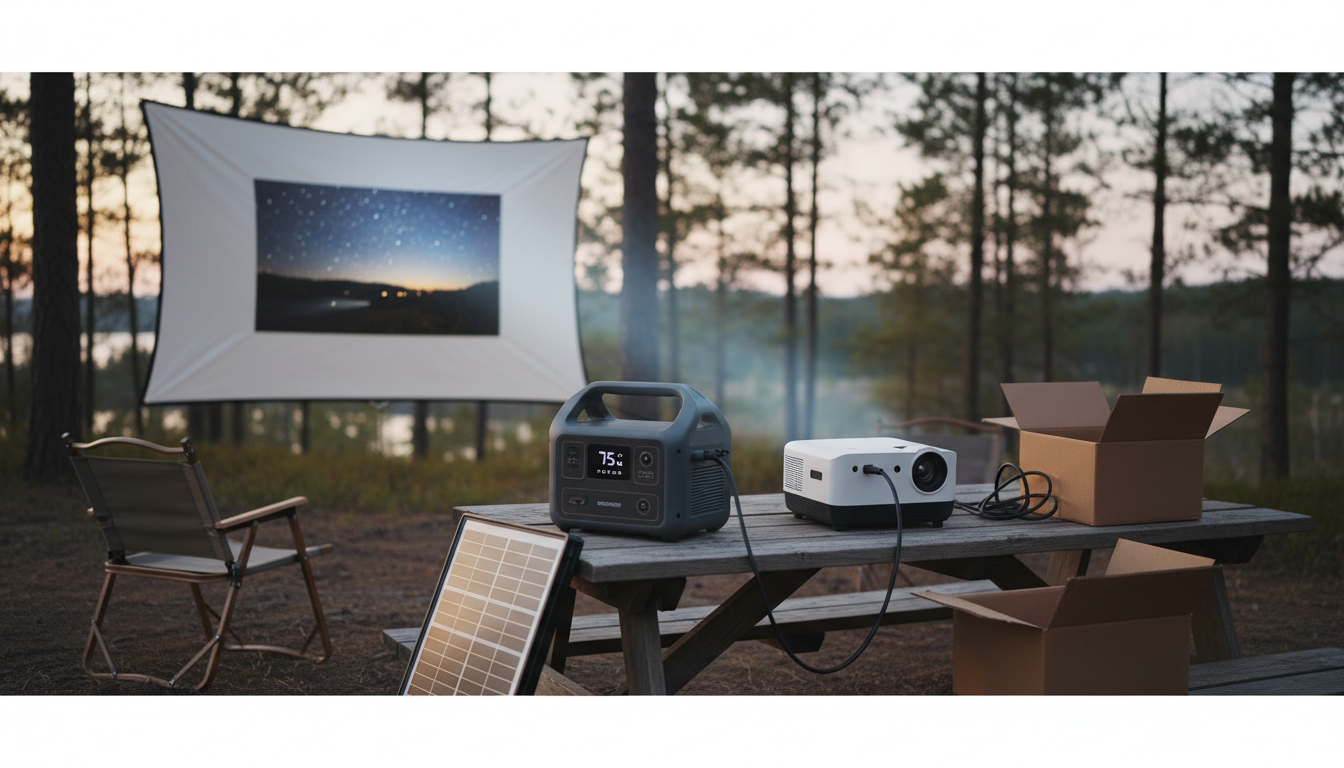
How Do Portable Power Stations Work? A Beginner's Guide to Off-Grid Energy
Compare how do portable power stations work with a practical informational SEO brief, decision criteria, FAQs, and publishing checks before you commit.
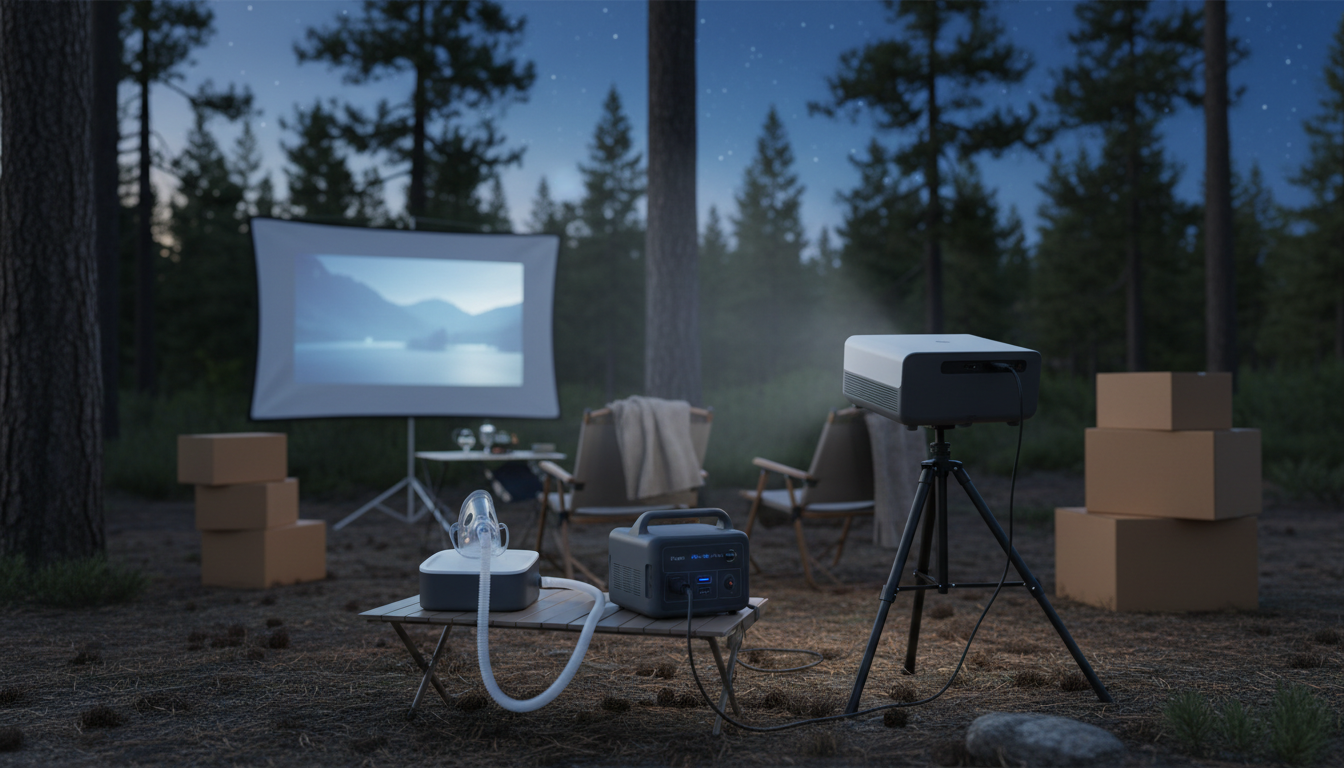
Best Portable Power Stations for CPAP: Ensuring Uninterrupted Sleep On the Go
Compare best portable power stations for cpap with a practical commercial SEO brief, decision criteria, FAQs, and publishing checks before you commit.